World · India Bureau
India faces severe power deficit as drought hits hydroelectric generation
India's electricity shortage has escalated to peak summer levels, with evening demand exceeding supply by 7.7 gigawatts this month. The crisis stems from reduced hydropower output amid drought conditions, forcing thermal plants to operate at maximum capacity.
LSN India ·
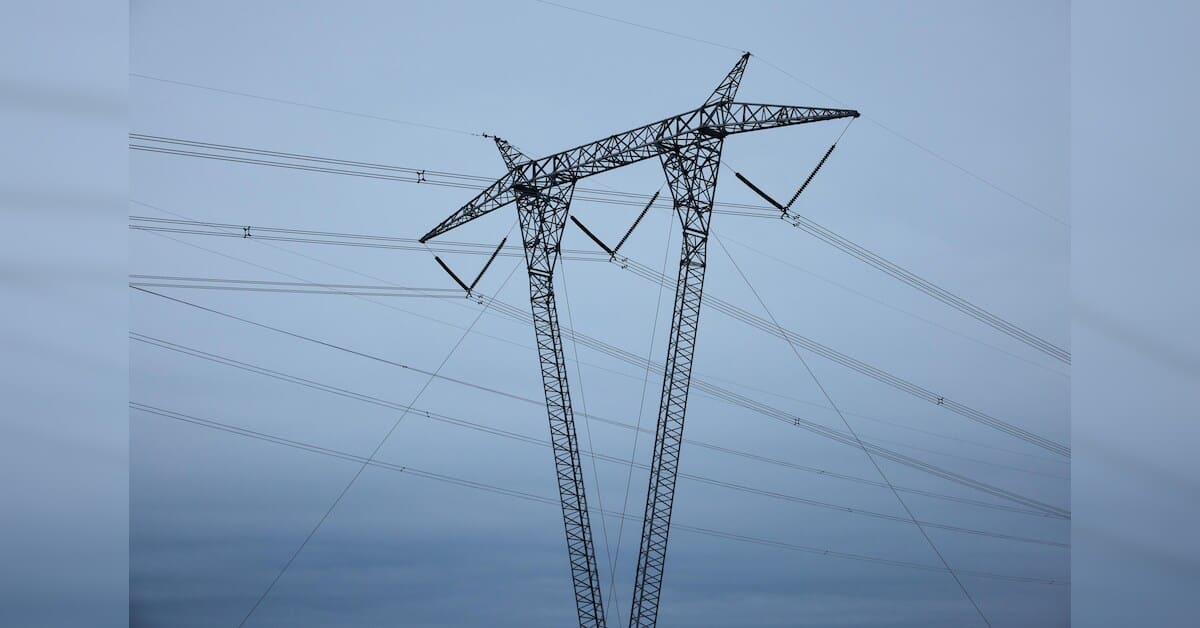
India is grappling with an acute power supply crisis as nighttime electricity deficits have climbed to 7.7 gigawatts, matching the most acute shortages experienced during summer months. The shortfall reflects a broader challenge facing the nation's power grid as weather patterns disrupt generation capacity across multiple sources.
Hydroelectric power generation has declined sharply, dropping 12 percent in September compared to historical averages. The reduction stems from insufficient water availability at major dams, attributed to erratic monsoon patterns and drought-like conditions affecting key river basins. This contraction in renewable generation capacity has created a critical gap in the energy supply chain.
To bridge the widening demand-supply gap, thermal power plants, predominantly coal-fired facilities, have been pushed to operate at elevated capacity levels. These facilities now shoulder a greater burden in meeting national electricity demand, representing a significant shift in India's power generation mix during typically less strained months.
The power deficit carries implications for industrial output and household consumption across India. Regions dependent on steady electricity supply face potential constraints on economic activity, while scheduled load-shedding remains a possibility if supply-demand imbalances persist.