Business · India Bureau
India Faces Trade-offs as Pax Silica Alliance Deepens
India's engagement with the Pax Silica coalition creates fresh policy challenges as the country navigates balancing semiconductor cooperation with broader trade considerations. The alliance raises questions about import dependencies and domestic manufacturing capacity.
LSN India ·
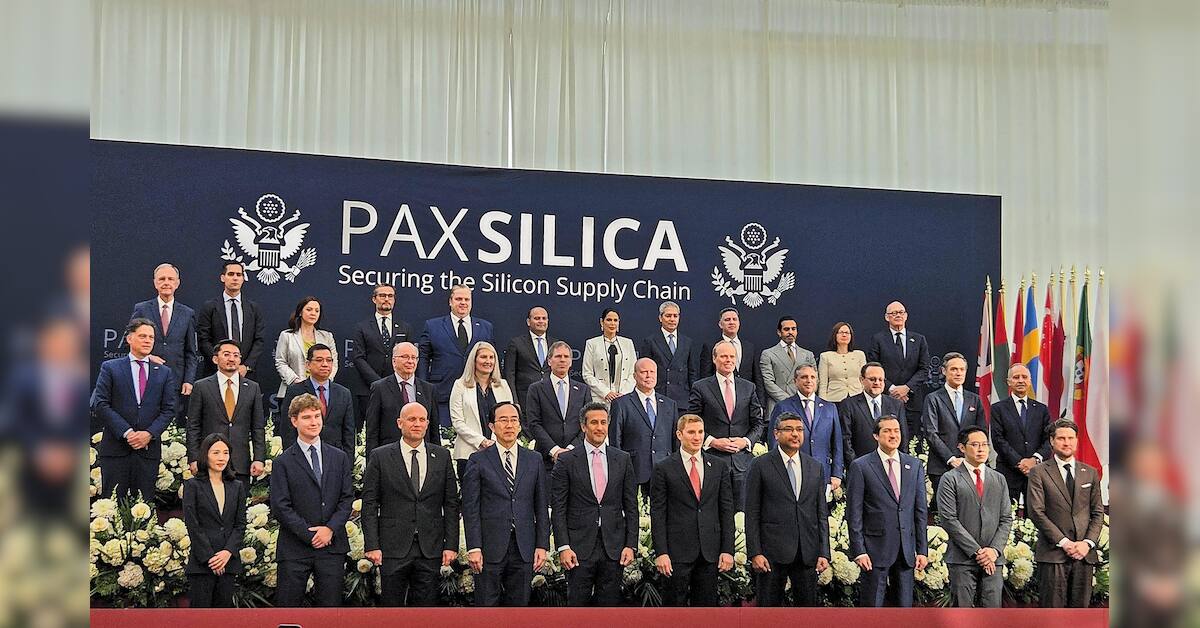
India's participation in the Pax Silica framework represents a strategic pivot toward semiconductor cooperation in the Indo-Pacific region, yet the arrangement presents policymakers with complex tradeoffs. The alliance, aimed at building resilient semiconductor supply chains, requires India to weigh increased technology partnerships against potential implications for its domestic chip manufacturing ambitions and import structures.
The framework brings opportunities for knowledge transfer and investment in India's semiconductor ecosystem, which has historically relied on imported chips for critical applications. However, deepening integration within the Pax Silica coalition could create long-term dependencies that complicate India's self-reliance goals outlined in initiatives like Make in India and the Production-Linked Incentive scheme for electronics.
Government officials and industry analysts are examining how the alliance might reshape India's import patterns for semiconductors and related components. The pact's terms could influence tariff policies, foreign investment regulations, and technology access agreements that ripple across India's broader manufacturing sector.
India's semiconductor ambitions have historically faced headwinds from global supply chain concentration and capital-intensive production requirements. The Pax Silica engagement offers a pathway to strengthen regional cooperation, but requires careful calibration to ensure partnerships enhance rather than undermine domestic manufacturing capabilities and technological independence.