World · India Bureau
India Flags Coordinated Strategy Behind Energy Infrastructure Attacks
India has taken a firm stance at the G20 foreign ministers' meeting on energy security, with External Affairs Minister S. Jaishankar emphasizing the need for stability in global energy markets amid supply disruptions and maritime constraints.
LSN India ·
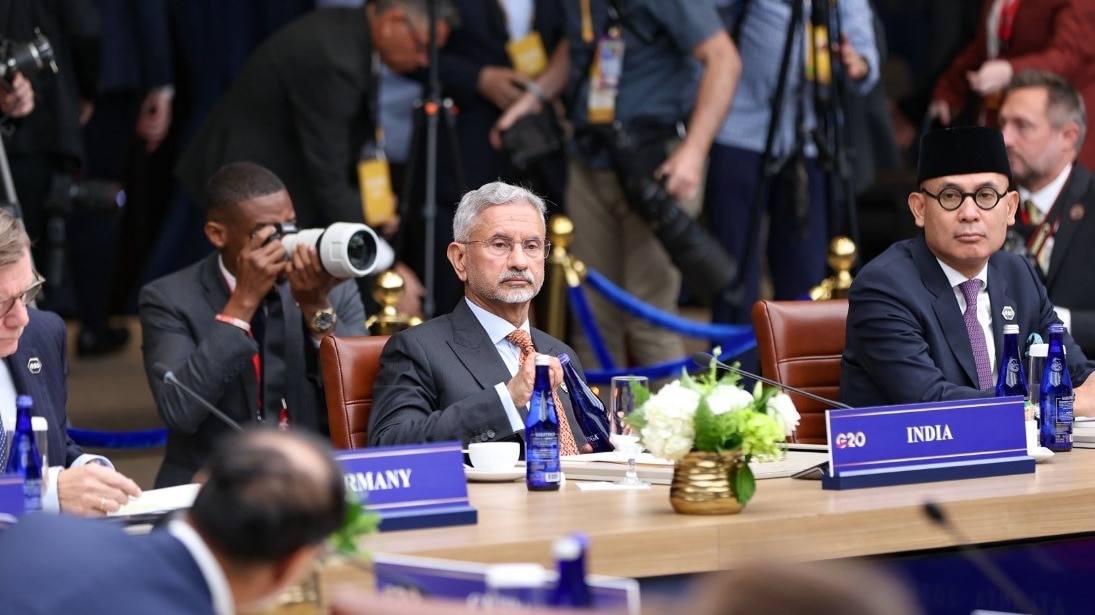
India raised serious concerns about deliberate disruptions to energy infrastructure and obstacles to oil supply during discussions at the G20 foreign ministers' conference, signaling New Delhi's growing alarm over threats to global energy security.
External Affairs Minister S. Jaishankar emphasized that attacks on energy facilities reflect a calculated strategic approach, underscoring the need for coordinated international responses to safeguard critical infrastructure and ensure stable energy flows. The minister highlighted the cascading effects of such disruptions on developing economies heavily dependent on stable energy supplies.
Jaishankar criticized the use of sanctions regimes and barriers to maritime commerce, arguing that these measures compound vulnerabilities in global energy markets. India stressed that energy security is inseparable from broader economic stability and called for dialogue-based solutions to ongoing supply chain tensions.
The comments reflect India's concerns about multiple threats to energy security, from geopolitical tensions to infrastructure vulnerabilities. New Delhi has consistently advocated for open sea lanes, unrestricted trade routes, and international cooperation to maintain predictable energy markets and prevent artificial scarcity.
As a major energy importer, India has emphasized that global energy transitions must not come at the cost of stability for developing nations. The country's position at the G20 underscores the need for all major economies to prioritize energy security and oppose actions that deliberately disrupt supplies or restrict market access.