Politics · India Bureau
India integrates nuclear fusion into long-term energy policy framework
India is moving nuclear fusion technology into its regulatory and energy-planning structure through new draft rules and expert oversight, marking a significant shift in the country's approach to the emerging technology. However, commercial fusion power generation remains several decades away.
LSN India ·
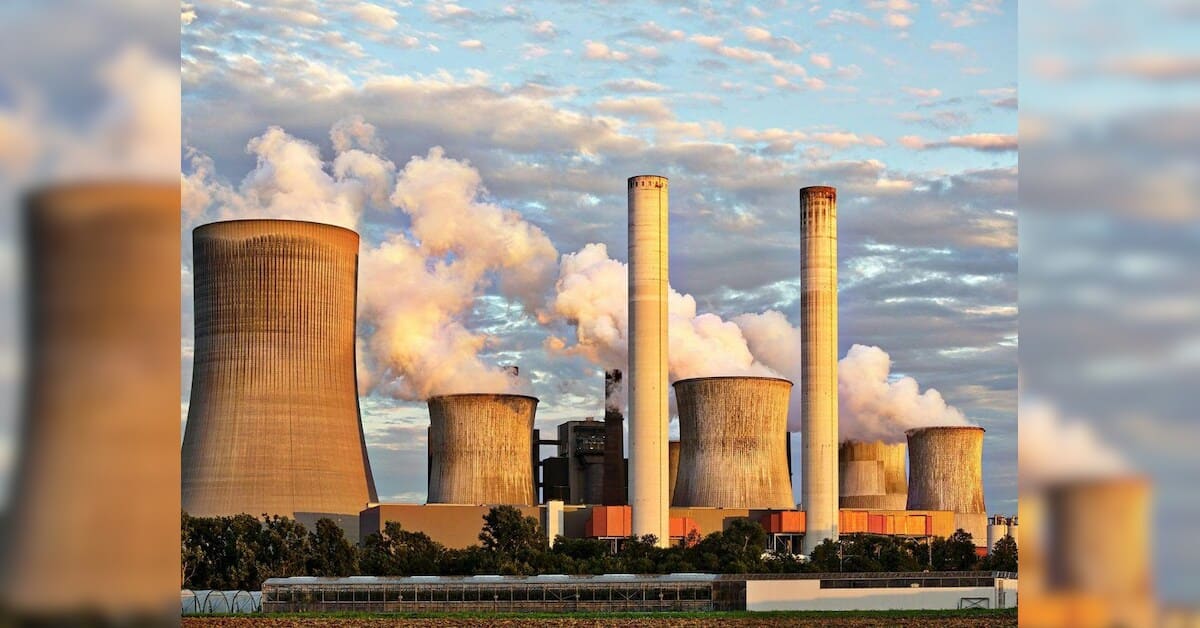
India's nuclear energy sector is undergoing a strategic repositioning to accommodate fusion technology, with the government establishing formal mechanisms to guide its development and eventual deployment. The SHANTI Act draft rules and a dedicated expert panel are creating the regulatory groundwork needed to integrate fusion into India's broader energy strategy, signaling official recognition of the technology's potential role in future power generation.
The move reflects growing global momentum around nuclear fusion as countries seek low-carbon energy solutions. By embedding fusion into its planning framework now, India is positioning itself to leverage the technology once it reaches commercial viability, expected to remain several decades away.
The expert panel tasked with overseeing fusion development will provide technical guidance and policy recommendations as the sector evolves. This institutionalization of fusion research represents a maturation of India's approach, moving beyond isolated research initiatives toward integrated energy planning that accounts for next-generation nuclear technologies.
While immediate commercial applications remain distant, the regulatory and planning infrastructure being established will provide clarity for researchers, investors, and policymakers. Industry observers note that early integration into policy frameworks allows nations to build expertise and prepare grid infrastructure well before fusion plants become operational.