World · Sri Lanka Bureau
India intensifies glacier surveillance following catastrophic Nepal incident
Indian authorities have escalated monitoring efforts across Himalayan glaciers in response to a devastating disaster in neighbouring Nepal. The increased vigilance reflects growing regional concerns about glacier stability and climate-related risks in the mountain range.
LSN Sri Lanka ·
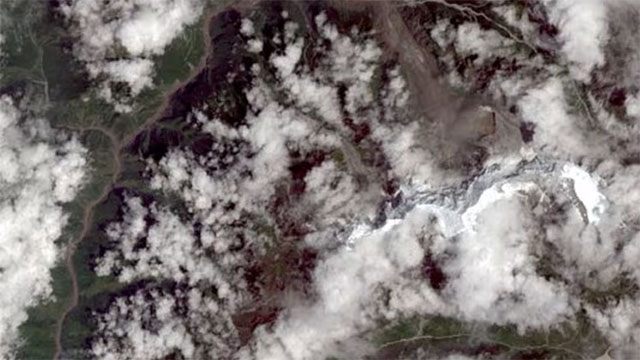
India's glacier monitoring programme has been significantly expanded following a major incident in Nepal that highlighted the dangers posed by unstable high-altitude ice formations. The strengthened surveillance initiative focuses on critical glacier zones across Indian territory in the Himalayan region, with particular emphasis on early warning systems and data collection.
The disaster in Nepal underscored the unpredictable nature of glacial events and their potential to cause widespread damage. Indian authorities have responded by deploying additional monitoring equipment and intensifying regular assessments of glacier behaviour across multiple high-altitude zones, recognising that many Himalayan glaciers span international borders and pose cross-regional hazards.
The enhanced monitoring framework involves advanced technological systems designed to detect changes in glacier movement, mass balance, and structural integrity. Collaboration between Indian scientific agencies and regional partners aims to establish comprehensive data networks that can provide early warning of potential hazards to communities in downstream valleys.
Climate change has emerged as a significant factor affecting glacier stability throughout the Himalayas, with warming temperatures accelerating ice melt and increasing the frequency of potentially dangerous events. India's stepped-up efforts reflect a broader recognition across South Asia that proactive monitoring and rapid response mechanisms are essential to mitigating risks to populations dependent on Himalayan water resources and those living in vulnerable mountain communities.