Politics · India Bureau
India introduces transaction fee for large UPI merchant payments
The government has imposed a 0.4 per cent merchant discount rate on person-to-merchant UPI transactions exceeding Rs 2,000, marking a significant shift in the subsidized digital payments model. The move follows years of industry warnings that operating costs far exceed budgeted subsidies.
LSN India ·
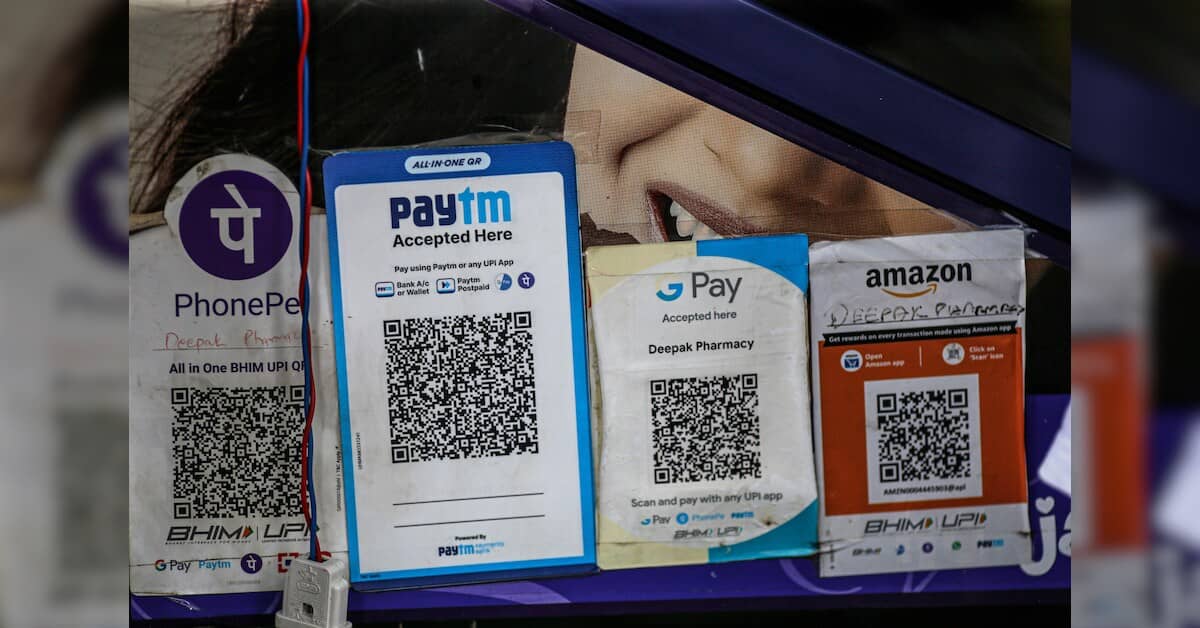
Starting October 15, merchants using the Unified Payments Interface will face charges on larger transactions, ending the completely fee-free model that has defined India's flagship digital payment system. The 0.4 per cent Merchant Discount Rate applies to person-to-merchant payments above Rs 2,000, though the charge is capped at Rs 300 for transactions of Rs 75,000 and above. The cost will be borne by merchants rather than consumers, shielding everyday users from direct impact.
Person-to-person UPI payments and the vast majority of routine merchant transactions under the threshold will continue to operate without charges, preserving the accessibility that has made UPI a cornerstone of India's digital economy. This distinction reflects government concerns about maintaining the system's reach while addressing financial sustainability.
The National Payments Corporation of India, which operates the UPI network, stated that revenue generated will fund critical infrastructure investments. These include cybersecurity enhancements, fraud prevention systems, technological innovation, and improved customer service delivery across the ecosystem.
The decision represents a pragmatic response to longstanding concerns from the payments industry that annual subsidies budgeted for UPI operations have consistently fallen short of actual operational costs. By implementing targeted fees on higher-value transactions while preserving free access for smaller payments, policymakers aim to balance financial viability with the network's continued expansion across India's expanding digital economy.