Business · World News Bureau
India lifts 500 million from extreme poverty despite widening inequality
India has achieved a dramatic reduction in extreme poverty over the past decade, with rates plummeting from 27.1 percent to 2.6 percent between 2011 and 2023, according to World Bank data. The achievement marks one of the world's largest poverty reduction efforts, though economists warn that inequality continues to deepen.
LSN World News ·
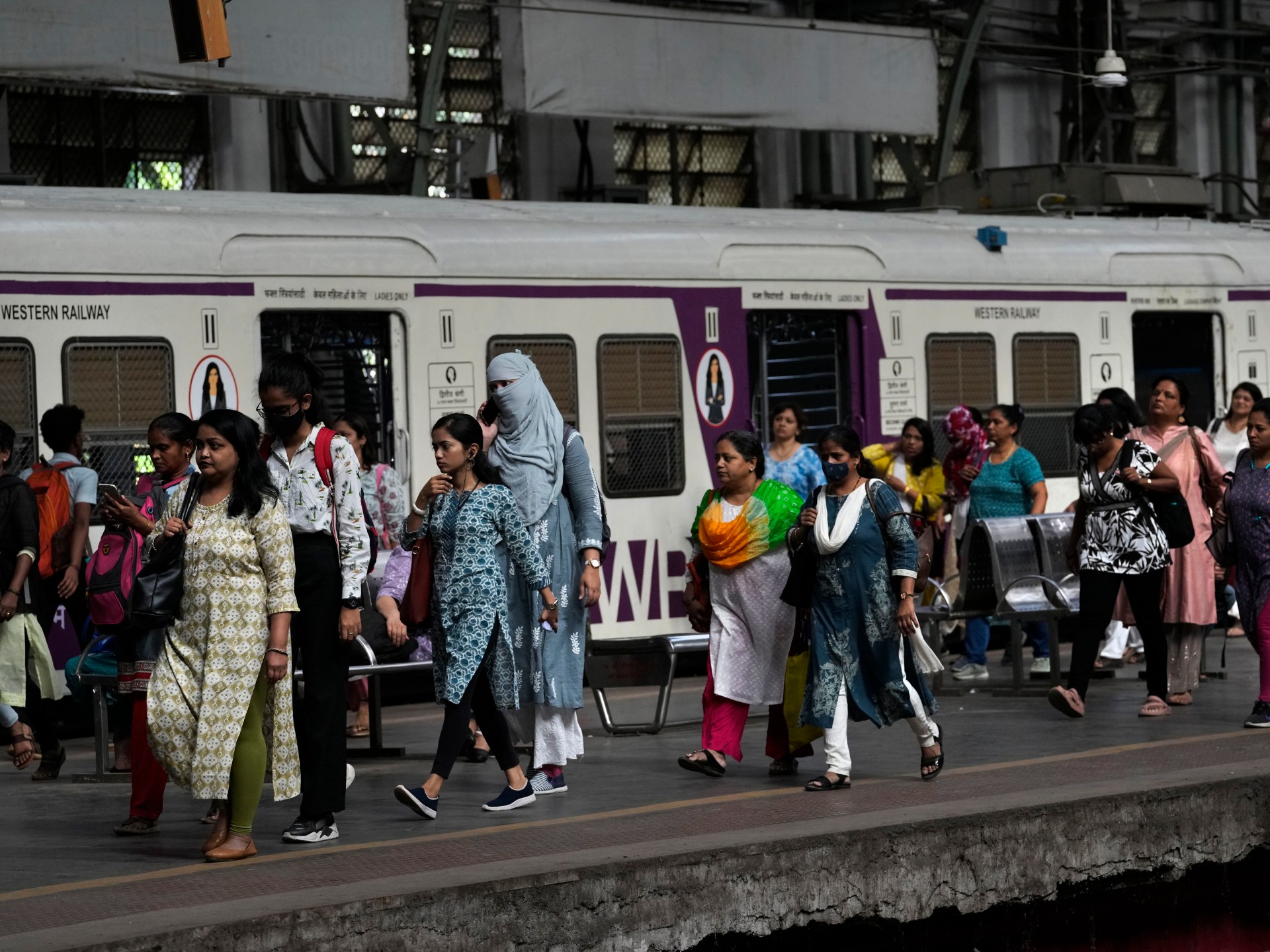
India's poverty reduction has been driven by rapid economic growth, expanded social welfare programs, and increased access to education and employment opportunities across rural and urban areas. The decline from extreme poverty affecting over a quarter of the population to less than 3 percent represents a significant shift in living standards for hundreds of millions of Indians.
The World Bank's findings underscore India's progress in implementing development initiatives aimed at improving access to basic services, infrastructure, and income-generating opportunities. Government programs targeting rural development, financial inclusion, and skill training have contributed to the downward trajectory of extreme poverty rates.
However, the poverty reduction gains have been accompanied by growing concerns about wealth concentration and income inequality. Analysts note that while the absolute number of people in extreme poverty has fallen sharply, disparities between rich and poor have widened, raising questions about the sustainability and inclusivity of India's economic model.
The contrast between poverty reduction and rising inequality reflects India's uneven development patterns, with benefits concentrated in certain regions and sectors while others lag behind. Economists emphasize that maintaining momentum on poverty reduction while addressing inequality will be crucial for India's long-term development trajectory.