World · India Bureau
India maintains global lead in demonstrations for fifth consecutive year
India accounted for nearly one in five demonstrations worldwide through September 2026, according to conflict and protest tracking data, underscoring the country's position as a hub for mass mobilization even as official statistics on agitations remain unavailable.
LSN India ·
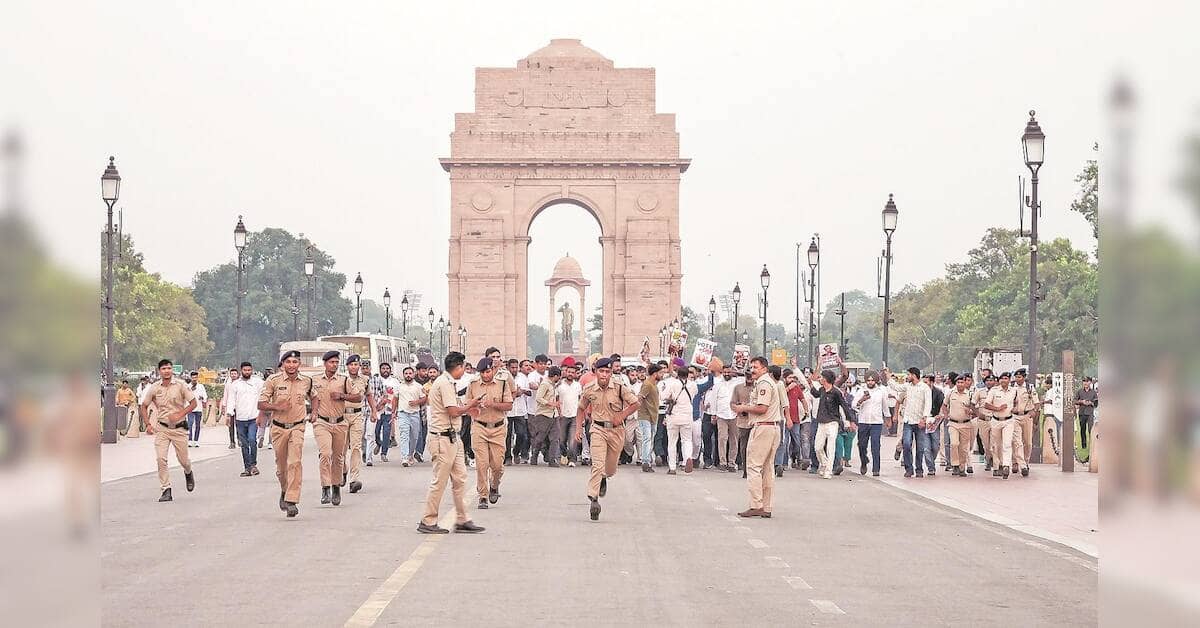
India has cemented its position as the world's leading nation for demonstrations, recording 18,074 protest events through September 2026 that represented 17.5 percent of all demonstrations globally, data compiled by the Armed Conflict Location & Event Data Project (ACLED) reveals.
The figure marks the fifth consecutive year that India has topped international rankings for demonstration activity, reflecting the diverse array of social, political, and economic grievances that drive mass mobilization across the country. The protests span multiple sectors and regions, ranging from labor disputes and agricultural concerns to student movements and demands for social justice.
The prominence of India's demonstration activity is particularly notable given the absence of official government data on agitations. India's Ministry of Labour has not released comprehensive statistics on strikes and protests since 2016, creating a significant gap in domestic documentation of protest activity even as independent monitoring organizations continue to track such events.
ACLED's data collection methodology captures demonstration events reported through news sources and other public records, providing researchers and policymakers with an alternative window into protest trends. The organization's findings underscore India's vibrant culture of public dissent and collective action, though researchers caution that documented events may not capture all demonstrations, particularly smaller protests in remote areas.
The sustained level of demonstration activity reflects India's large population, diverse social composition, and democratic traditions that permit public expression of grievances. Analysts note that the data provides critical insights into popular discontent across sectors, particularly given the information vacuum created by the government's pause in publishing official protest statistics.