Politics · India Bureau
India marks Children's Day on November 14, honouring Nehru's legacy
India observes Children's Day, known as Bal Diwas, on November 14 each year to commemorate the birth anniversary of Jawaharlal Nehru, the nation's first Prime Minister. The day underscores the country's commitment to child welfare and development.
LSN India ·
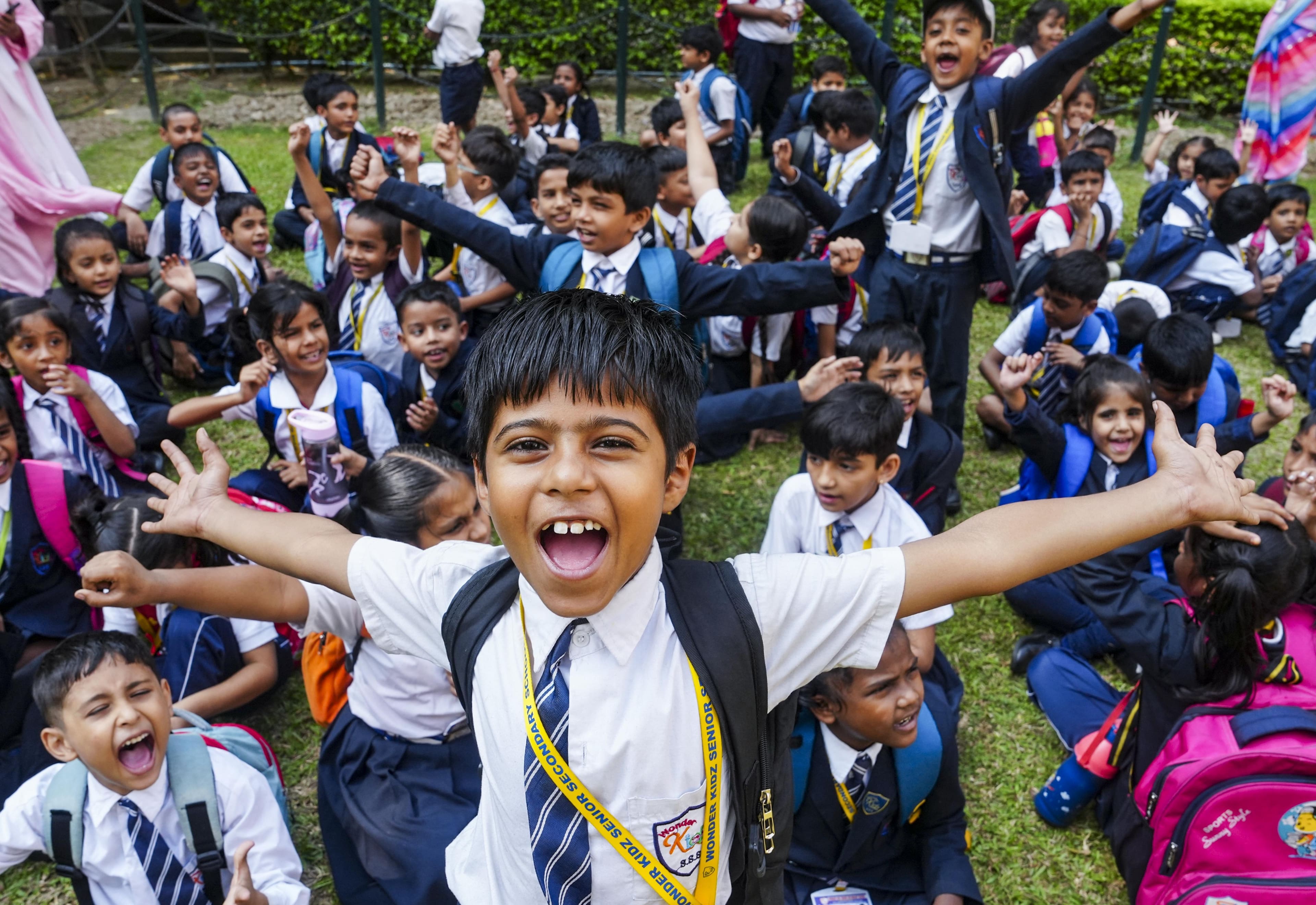
Children's Day, celebrated annually on November 14, holds special significance in India's cultural calendar as a tribute to Jawaharlal Nehru, independent India's inaugural Prime Minister who was born on this date in 1889. The observance, widely referred to as Bal Diwas, reflects Nehru's profound commitment to education and the welfare of children, whom he regarded as the foundation of the nation's future.
Nehru's vision for India's youth extended beyond conventional education. He championed scientific temper, creative thinking, and the development of modern scientific institutions, believing that children represented the promise of a progressive and enlightened society. His efforts laid the groundwork for numerous educational initiatives and institutions that continue to shape India's youth today.
Across the country, Children's Day is marked with various celebrations in schools, educational institutions, and community centres. Events typically include cultural programmes, sports activities, and awareness campaigns focused on child rights, health, and education. The day serves as a reminder of the collective responsibility to ensure every child in India has access to quality education and opportunities for holistic development.
The observance also draws attention to ongoing challenges facing Indian children, including access to education, healthcare, and protection from exploitation. Various child welfare organizations and government bodies utilize the occasion to reinforce commitments to improving conditions for vulnerable children across urban and rural areas.