World · India Bureau
India mulls automatic low-beam headlamps for two-wheelers to cut glare
The Ministry of Road Transport and Highways has proposed mandatory automatic headlamp systems limited to low-beam settings for new two-wheelers. The move is part of broader efforts to reduce dangerous glare from vehicle headlights on Indian roads.
LSN India ·
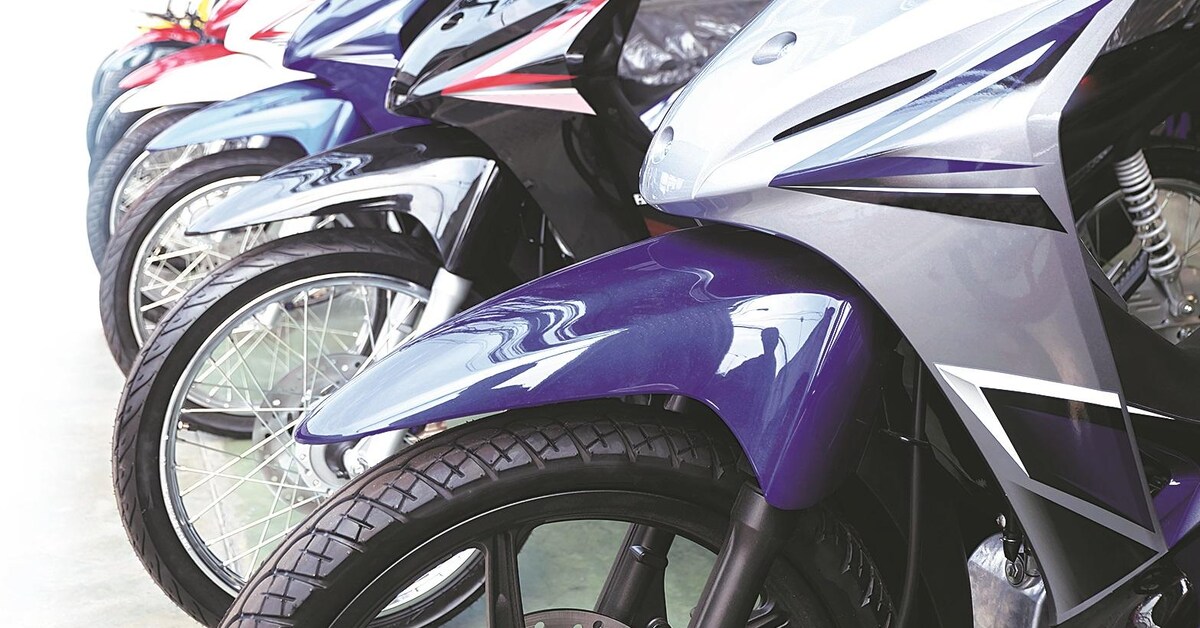
India's road transport ministry is considering stricter headlamp regulations for two-wheelers that would restrict automatic lighting systems to low-beam operation only, according to government proposals under review. The initiative aims to address the persistent problem of headlamp glare that poses safety risks to other road users, particularly during night-time commutes across Indian highways and urban areas.
The Ministry of Road Transport and Highways has also proposed measures to reduce headlamp intensity in four-wheeled vehicles as part of a comprehensive strategy to combat glare-related hazards. Such modifications would apply to new vehicles manufactured and sold in the country, gradually improving visibility standards across the automotive fleet.
The proposals reflect growing concerns among road safety officials about the correlation between excessive headlamp brightness and increased accident rates. Uncontrolled high-beam usage and excessively bright lights have been cited as contributing factors in road mishaps, particularly affecting two-wheeler riders and pedestrians who are more vulnerable to sudden glare.
The regulatory changes, if implemented, would represent a significant shift in India's vehicle lighting standards. Experts suggest that automatic low-beam-only systems could enhance nighttime safety without compromising visibility, as low-beam settings provide adequate illumination for normal driving conditions while minimizing the risk of blinding oncoming traffic.
The ministry is expected to release further details on implementation timelines and technical specifications in coming weeks. Stakeholders including automobile manufacturers, rider associations, and safety advocates are anticipated to provide feedback during the formal consultation process.