World · India Bureau
India must accelerate job creation to sustain poverty reduction gains
Employment growth remains critical to India's continued poverty alleviation efforts, analysts say. Without sustained job creation across sectors, recent development progress risks stalling.
LSN India ·
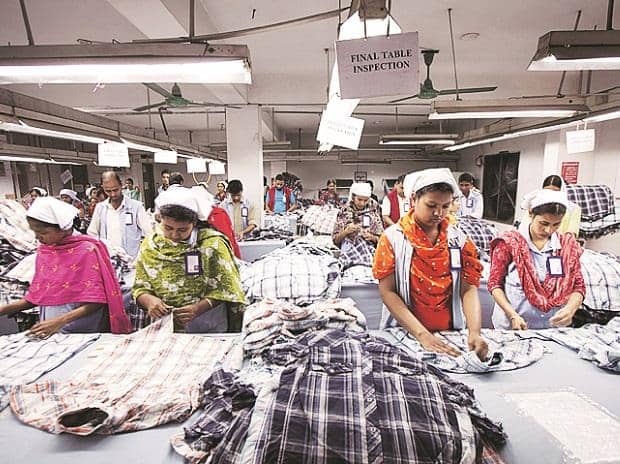
India's poverty reduction achievements over recent decades represent a significant milestone, yet experts warn that maintaining this trajectory depends heavily on robust employment generation. The country's large working-age population presents both an opportunity and a challenge, requiring the creation of millions of new jobs annually to absorb fresh entrants into the labour market.
Economic data indicates that while poverty rates have declined, structural unemployment and underemployment continue to affect rural and urban populations alike. Agricultural mechanization, urbanization trends, and demographic shifts have altered traditional employment patterns, necessitating workforce transitions into new sectors and skill sets.
Key sectors including manufacturing, services, and infrastructure development have been identified as potential engines for job creation. However, these industries require adequate investment, regulatory frameworks, and skill development initiatives to translate growth into meaningful employment opportunities.
Policymakers increasingly emphasize the need for coordinated strategies addressing vocational training, entrepreneurship support, and sectoral development. Without proactive employment policies, demographic advantages risk converting into social pressures, experts caution, potentially undermining the poverty reduction progress achieved over the past two decades.
The challenge extends beyond mere job quantity to encompassing quality of employment, wage levels, and social protections—factors that collectively determine whether growth translates into genuine poverty alleviation for India's most vulnerable populations.