World · India Bureau
India must bolster strategic autonomy as US-China ties shift
New Delhi faces pressure to strengthen independent policymaking as bilateral dynamics between Washington and Beijing shape regional geopolitics. Experts warn against over-dependence on transactional relationships with major powers.
LSN India ·
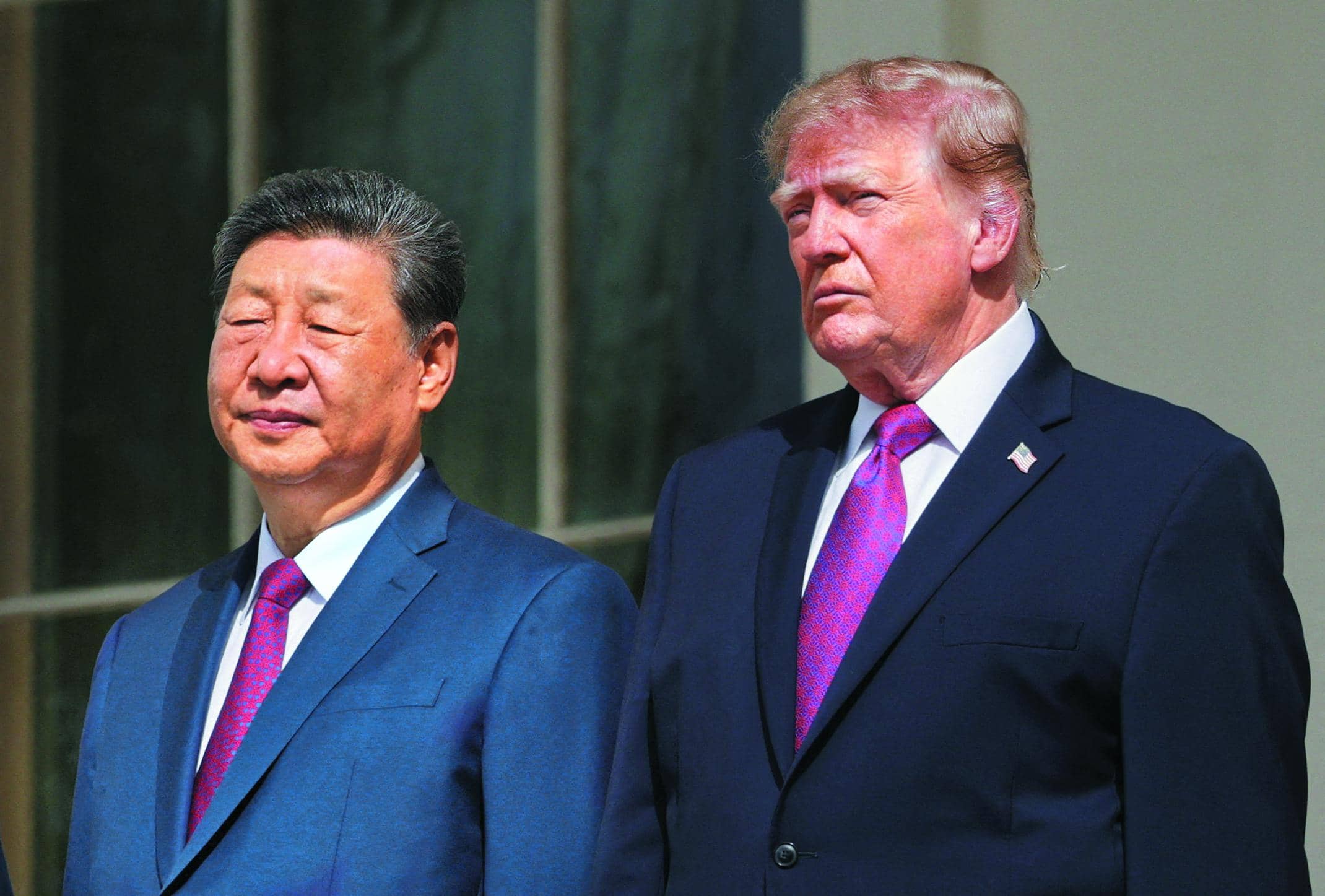
India's foreign policy establishment is increasingly focused on reinforcing strategic autonomy as the geopolitical landscape shifts between the United States and China. The emerging pattern of transactional diplomacy between the two powers presents both opportunities and risks for New Delhi, requiring careful navigation to protect national interests.
Analysts point out that periods of US-China engagement or competition can rapidly reshape alignments in the Indo-Pacific region. India's ability to maintain independent decision-making capacity becomes crucial during such transitions, ensuring that New Delhi is not forced into positions dictated by competing major power interests.
Strenthening strategic autonomy requires India to diversify its diplomatic and security partnerships beyond traditional alignments. This approach emphasizes building capabilities across economic, technological, and defence sectors to reduce dependence on any single nation or bloc.
Policy experts underscore that India's regional role and influence depend on demonstrating consistent, principle-based foreign policy rather than reactive stances toward great power interactions. As bilateral US-China dynamics continue to evolve, maintaining this independence will remain central to India's long-term strategic positioning in South and Southeast Asia.