World · India Bureau
India must bolster teaching infrastructure to improve education quality
Educational experts warn that India's classroom infrastructure remains inadequate, undermining efforts to deliver quality teaching across the country. Strengthening physical and pedagogical foundations is essential for achieving learning outcomes.
LSN India ·
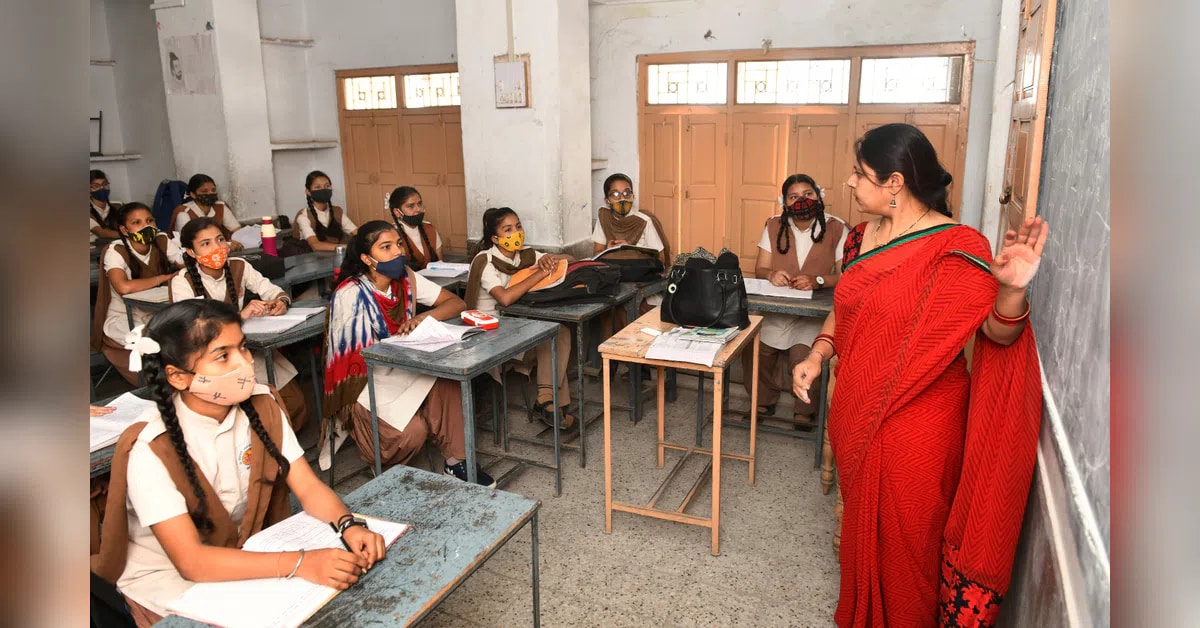
India's education system faces persistent challenges rooted in weak teaching infrastructure, limiting the effectiveness of curriculum reforms and teacher training initiatives. Classrooms across rural and urban areas lack basic amenities, while many schools struggle with insufficient teaching materials, technology access, and adequate learning spaces. These foundational gaps constrain teachers' ability to deliver quality instruction and hinder student engagement and achievement.
Experts argue that sustainable improvement in educational outcomes depends on systematic investment in physical infrastructure. Priority areas include renovation of existing school buildings, provision of functional teaching aids, electricity and internet connectivity, and creation of safe, sanitary learning environments. Such upgrades are particularly urgent in under-resourced regions where educational disparities remain most acute.
Beyond bricks and mortar, strengthening pedagogical infrastructure—including teacher support systems, curriculum materials, and professional development programs—is equally critical. States and the central government must coordinate to identify funding mechanisms and implement time-bound improvement plans. Without addressing these foundational issues, initiatives aimed at curriculum enhancement or skill development will continue to yield limited results across India's diverse educational landscape.