Business · India Bureau
India must confront hidden trade-offs in economic policymaking
Opinion pieces highlight the need for greater transparency around difficult choices facing India's economy, from managing China relations to balancing growth with poverty reduction. Policymakers are urged to acknowledge rather than obscure the costs inherent in major economic decisions.
LSN India ·
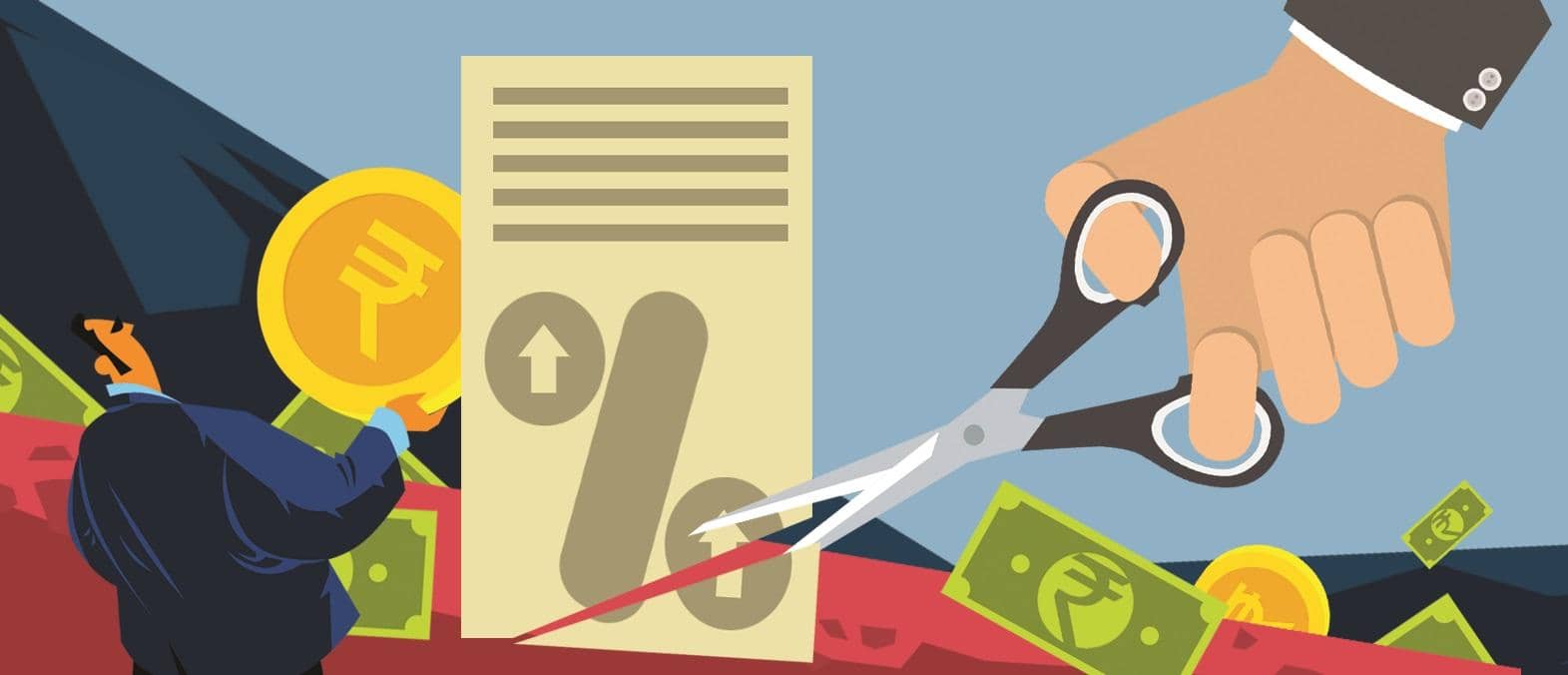
A range of commentators have called for India's economic policymakers to openly address the trade-offs embedded in major policy decisions rather than attempting to minimize or sidestep them. The observations span several critical areas shaping the nation's economic trajectory, including bilateral trade dynamics with China, strategies for poverty alleviation, currency management, and the transition toward clean energy.
The commentary suggests that obscuring difficult choices undermines public understanding of economic policy and prevents informed national debate. Whether navigating trade relationships, managing inflation through rupee policy, or investing in renewable energy infrastructure, each decision involves meaningful costs alongside benefits. These consequences warrant explicit acknowledgment and transparent discussion with stakeholders.
The emphasis on visibility reflects growing recognition that India's economic challenges cannot be resolved through simple solutions. Policymakers face genuine dilemmas: expanding trade opportunities may conflict with domestic manufacturing interests; rapid poverty reduction requires substantial resource allocation; currency stability involves trade-offs with export competitiveness; and clean energy transitions entail transitions costs for affected workers and industries.
Commentators argue that framing these trade-offs clearly allows for better policy design and public support. When governments acknowledge competing priorities openly, citizens and businesses can understand the rationale behind choices and adjust accordingly. This approach contrasts with strategies that present policies as having only positive outcomes, which ultimately erodes credibility when hidden costs become apparent.