World · India Bureau
India must prioritise grid infrastructure over capacity expansion
As India pursues ambitious renewable energy targets, experts warn that attention to electricity transmission and distribution networks is critical to preventing wastage and blackouts. The focus must shift from visible capacity additions to modernising the invisible backbone of the power system.
LSN India ·
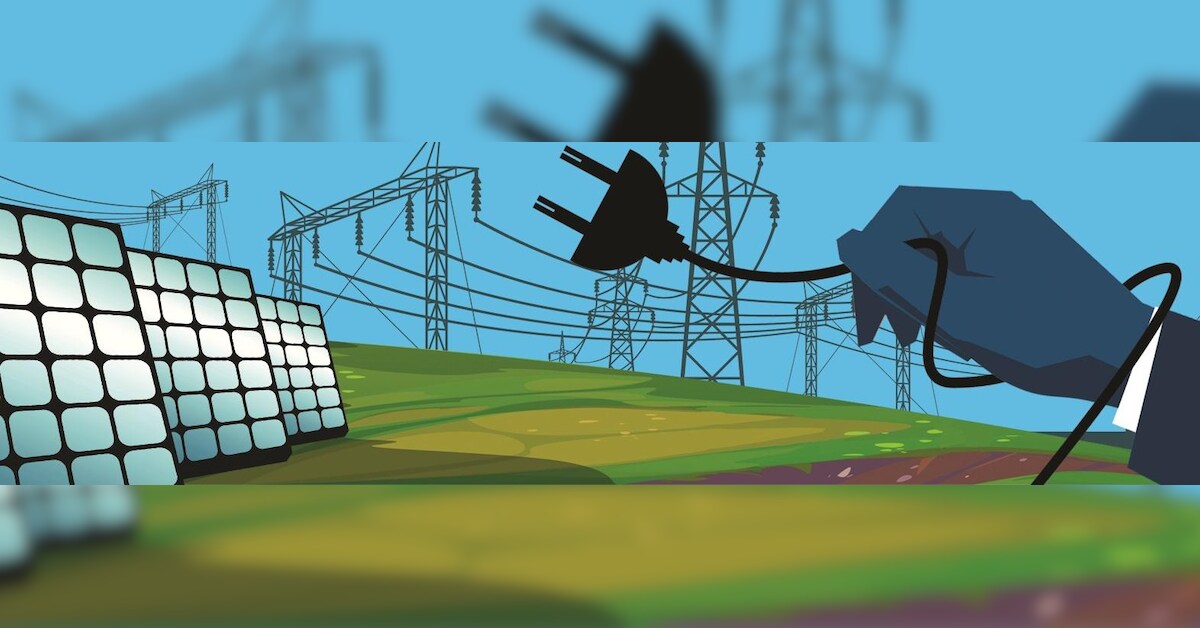
India's energy sector has long celebrated capacity milestones—solar installations, wind farms and thermal plants—yet these achievements mean little without robust systems to transmit and distribute power efficiently across the country. The electrical grid, operating largely out of public view, requires investment and modernisation at a pace matching capacity expansion to prevent energy losses, grid instability and persistent supply gaps in rural and urban areas alike.
Current grid infrastructure struggles with significant technical losses during transmission and distribution, with electricity dissipating across ageing cables, transformers and outdated systems before reaching consumers. These inefficiencies translate into substantial financial losses and constrain India's ability to fully utilise its installed generation capacity, particularly as renewable energy sources introduce variability requiring sophisticated grid management technologies.
Modernising India's grid demands investment in smart metering systems, upgraded distribution networks, advanced forecasting tools for renewable generation, and digital monitoring capabilities. States and central authorities must coordinate to strengthen intra-state and inter-state transmission corridors, ensuring that renewable energy generated in one region can reliably reach demand centres elsewhere.
Unless grid infrastructure development keeps pace with generation capacity additions, India risks undermining its renewable energy transition and renewable energy targets. Experts contend that policymakers and investors must recognise that unglamorous transmission and distribution upgrades are as vital to energy security as building new power plants.