Politics · India Bureau
India must translate BRICS declaration into concrete policy action
Policy experts argue that New Delhi's BRICS chairmanship requires substantive follow-up on the bloc's ambitious declarations across banking, trade and infrastructure sectors. The declaration risks becoming symbolic unless backed by institutional reforms and coordinated implementation.
LSN India ·
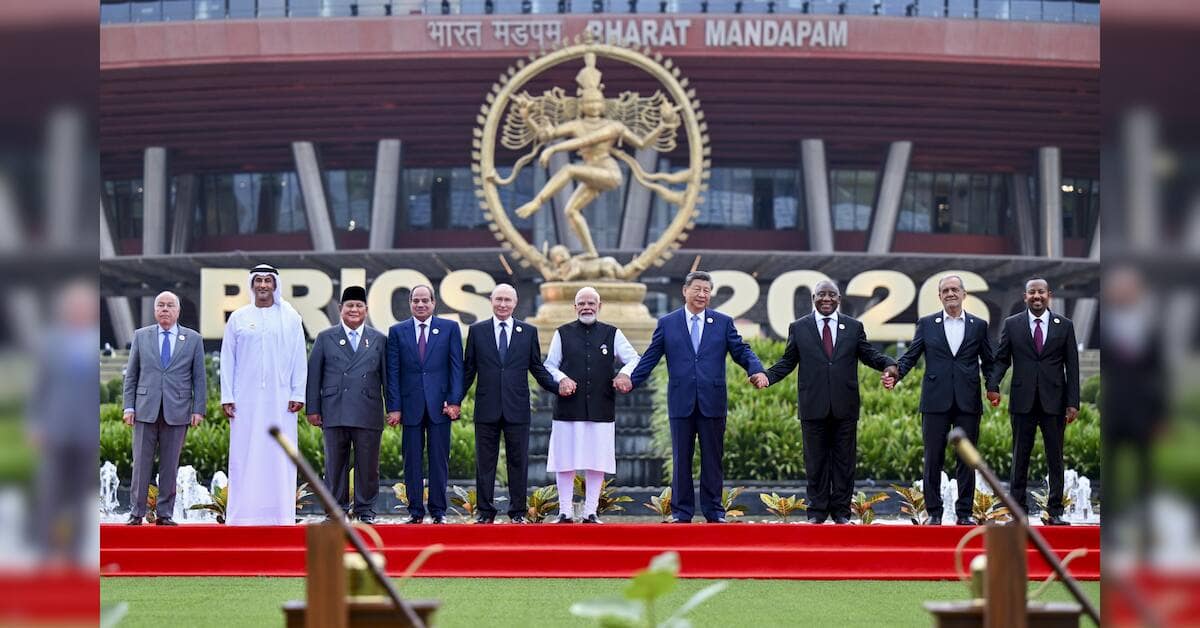
India's presidency of BRICS presents a critical opportunity to move beyond declarative statements into actionable policy frameworks, according to analysts examining the outcomes of the recent New Delhi declaration. The bloc's ambitious agenda—spanning financial system reform, WTO modernization, and infrastructure risk-sharing mechanisms—will test India's ability to navigate competing interests among member states while building consensus on implementation details.
Central to the declaration's success will be progress on the proposed BRICS development bank initiatives and efforts to create alternatives to Western-dominated financial institutions. However, experts caution that without clear institutional design, governance structures, and timelines, these objectives risk remaining aspirational rather than transformative.
Beyond finance, the declaration touches on policy domains from data governance frameworks to trade negotiations. Observers note that India's role involves not only hosting discussions but actively shepherding member nations toward coordinated action on contentious issues like WTO reform, where developing nations hold divergent positions.
The New Delhi declaration's ultimate impact will depend on India's commitment to translating diplomatic language into measurable outcomes during its tenure, analysts suggest. This requires moving beyond consensus-building rhetoric to establishing working groups, deadlines, and accountability mechanisms that ensure member nations advance the bloc's stated priorities in tandem with their domestic policy agendas.