World · India Bureau
India needs counter-drone systems as aerial swarm attacks surge globally
Escalating drone attacks worldwide, including coordinated swarm operations in September, underscore urgent requirement for advanced anti-unmanned aircraft defences. Security experts warn India must develop robust counter-UAS capabilities to protect critical infrastructure.
LSN India ·
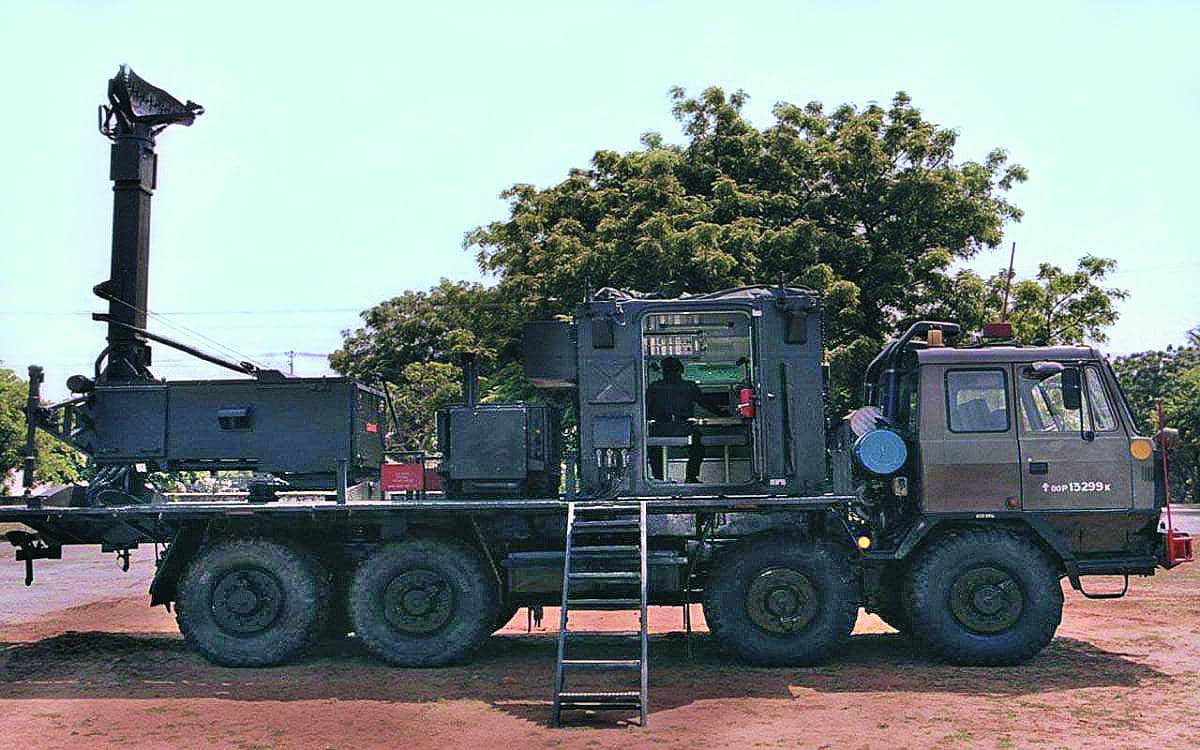
Recent weeks have highlighted the growing threat posed by coordinated drone operations, with September alone witnessing multiple incidents of unmanned aerial swarms targeting urban centres and critical energy infrastructure across different regions. The attacks, which successfully disrupted oil pipeline operations and struck populated areas, signal a shift in asymmetric warfare tactics that poses significant risks to nations unprepared for such threats.
Indian defence and security officials have intensified focus on acquiring or developing counter-unmanned aircraft systems (counter-UAS) to address vulnerabilities in existing air defence networks. Current air defence infrastructure, primarily designed to counter manned aircraft and missile threats, has proven inadequate against swarms of smaller, slower-moving drones that can evade conventional radar systems.
The technological challenge lies not merely in detection but in neutralising multiple aerial targets simultaneously while minimising collateral damage in civilian areas. Several countries have begun deploying layered defence approaches combining radar systems, electronic countermeasures, and directed-energy weapons to create comprehensive counter-UAS umbrellas.
Security analysts emphasise that delays in implementing such systems could leave India's major cities, military installations, and energy infrastructure exposed to similar coordinated aerial attacks. The development timeline for indigenous counter-UAS solutions remains uncertain, making the case for accelerated procurement and deployment strategies increasingly urgent among security planners.