Politics · India Bureau
India needs five-year plan for affordable precision cancer care: Expert
A leading Indian oncologist has called for a comprehensive five-year policy framework to make advanced genomic testing and targeted cancer therapies accessible to lower-income patients across the country. The move is essential to bridge the gap between emerging precision oncology treatments and affordability challenges that currently limit their reach.
LSN India ·
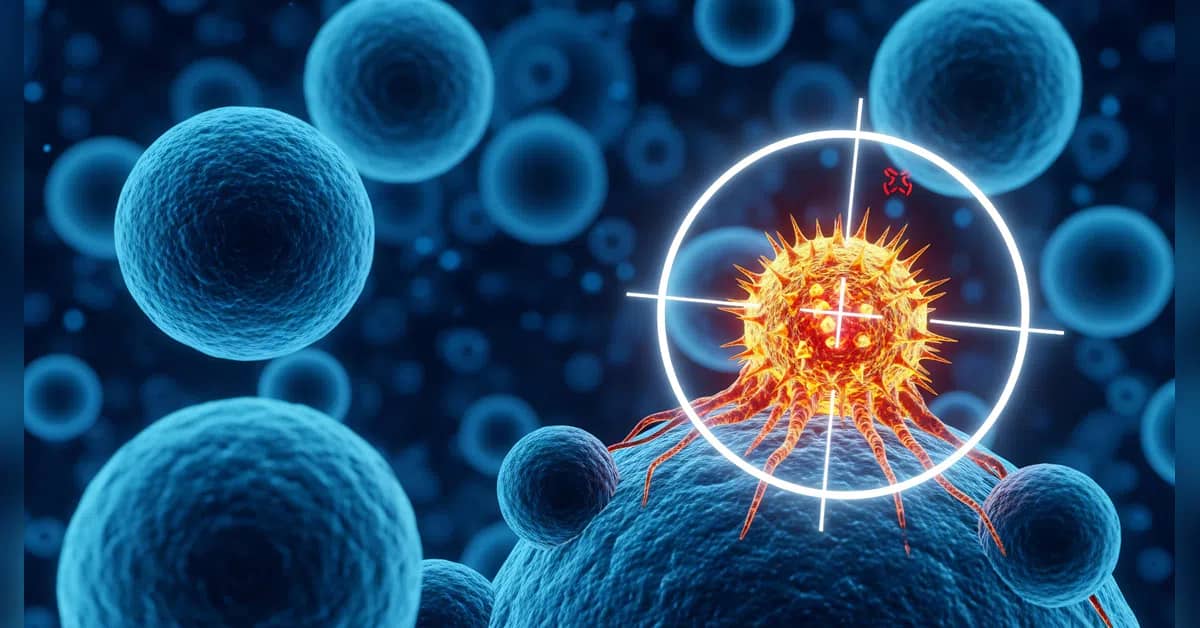
Precision oncology represents a significant advancement in cancer treatment, but India faces substantial barriers in bringing these therapies to patients who need them most, according to Dr Bhawna Sirohi, a senior medical oncologist and medical director at Vedanta Medical Research Foundation-BALCO Medical Centre in Raipur.
Sirohi, who serves as the sole Indian representative on the newly launched Lancet Oncology Commission on precision cancer care, highlighted that high costs, limited access to genomic testing infrastructure, and expensive targeted drugs remain critical obstacles in the Indian healthcare landscape. The commission was unveiled at the World Cancer Congress in Hong Kong.
Unlike conventional chemotherapy, which affects both cancer and healthy cells indiscriminately, precision oncology identifies specific biomarkers on cancer cells and matches them with targeted treatments. This approach offers the potential to improve treatment outcomes while reducing side effects. However, translating this potential into widespread clinical practice requires significant policy intervention and investment.
Developing a structured five-year agenda would address key gaps in India's precision cancer care ecosystem, including expanding genomic testing capabilities, regulating drug pricing, and building healthcare infrastructure across tier-two and tier-three cities. Such a framework could establish pathways to make these advanced treatments accessible to a broader patient population, particularly those from lower-income backgrounds.