Business · India Bureau
India-New Zealand FTA opens new trade, investment and mobility avenues
The recently activated India-New Zealand Free Trade Agreement provides Indian businesses, investors and students with expanded market access while maintaining protections for India's sensitive sectors. The pact marks a significant milestone in bilateral economic engagement between the two nations.
LSN India ·
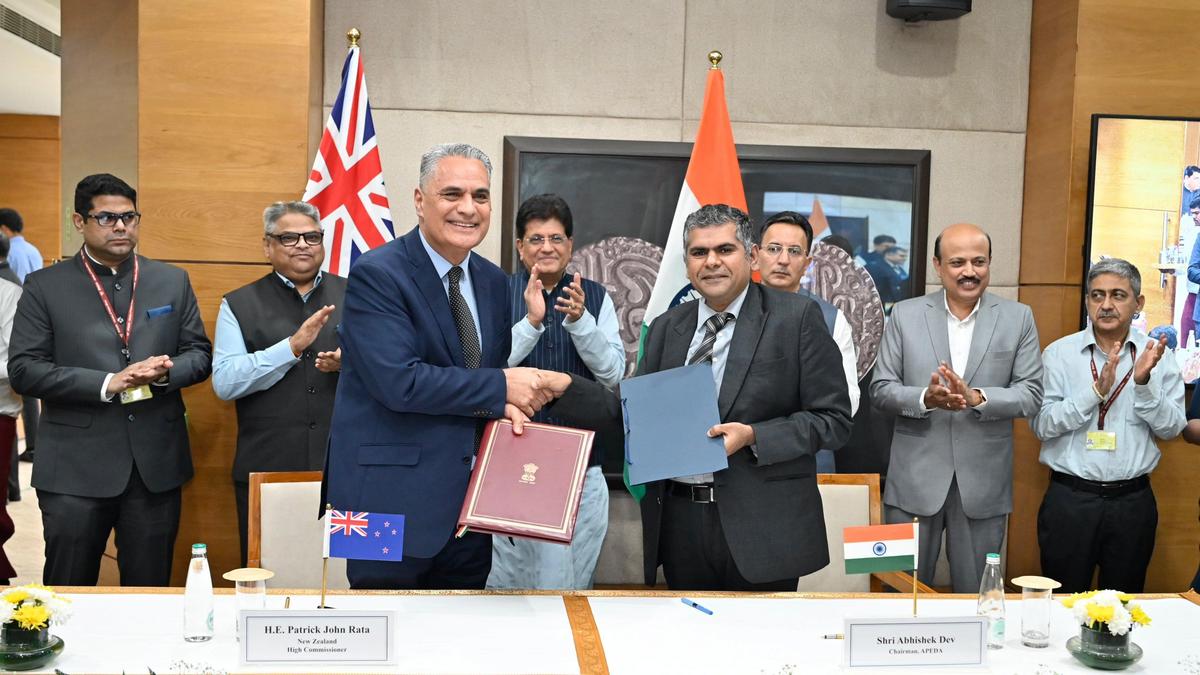
The India-New Zealand Free Trade Agreement, which has now come into force, is set to reshape commercial ties between New Delhi and Wellington across multiple dimensions. The accord presents tangible benefits for Indian exporters, investors seeking opportunities in the Pacific, and students aspiring to study in New Zealand institutions.
Under the agreement's provisions, Indian businesses gain preferential tariff access to the New Zealand market, potentially boosting bilateral trade flows. The pact also facilitates greater investment flows between the two countries by streamlining regulatory frameworks and offering enhanced investor protections. This framework is expected to attract Indian capital to sectors including manufacturing, technology, and services.
The mobility provisions represent another significant component of the FTA. Enhanced provisions for student movement should make New Zealand a more accessible destination for Indian students seeking higher education, while facilitating academic and professional exchange between institutions in both nations.
Crucially, the agreement includes safeguards for India's sensitive economic sectors, ensuring that domestic industries facing competitive challenges receive adequate protection. These carve-outs reflect India's development priorities and concerns about import surges in vulnerable areas, striking a balance between liberalization and domestic industry preservation.
The FTA's entry into force represents a culmination of prolonged negotiations and reflects the shared economic interests of both nations in deepening their engagement amid evolving regional dynamics.