World · India Bureau
India on track to meet climate commitments despite global emissions gap
India is positioned to achieve its climate targets under current policy frameworks, according to the UN Environment Programme. However, global emissions reductions must accelerate significantly to prevent dangerous warming and maintain hopes of limiting temperature rise to 1.5°C.
LSN India ·
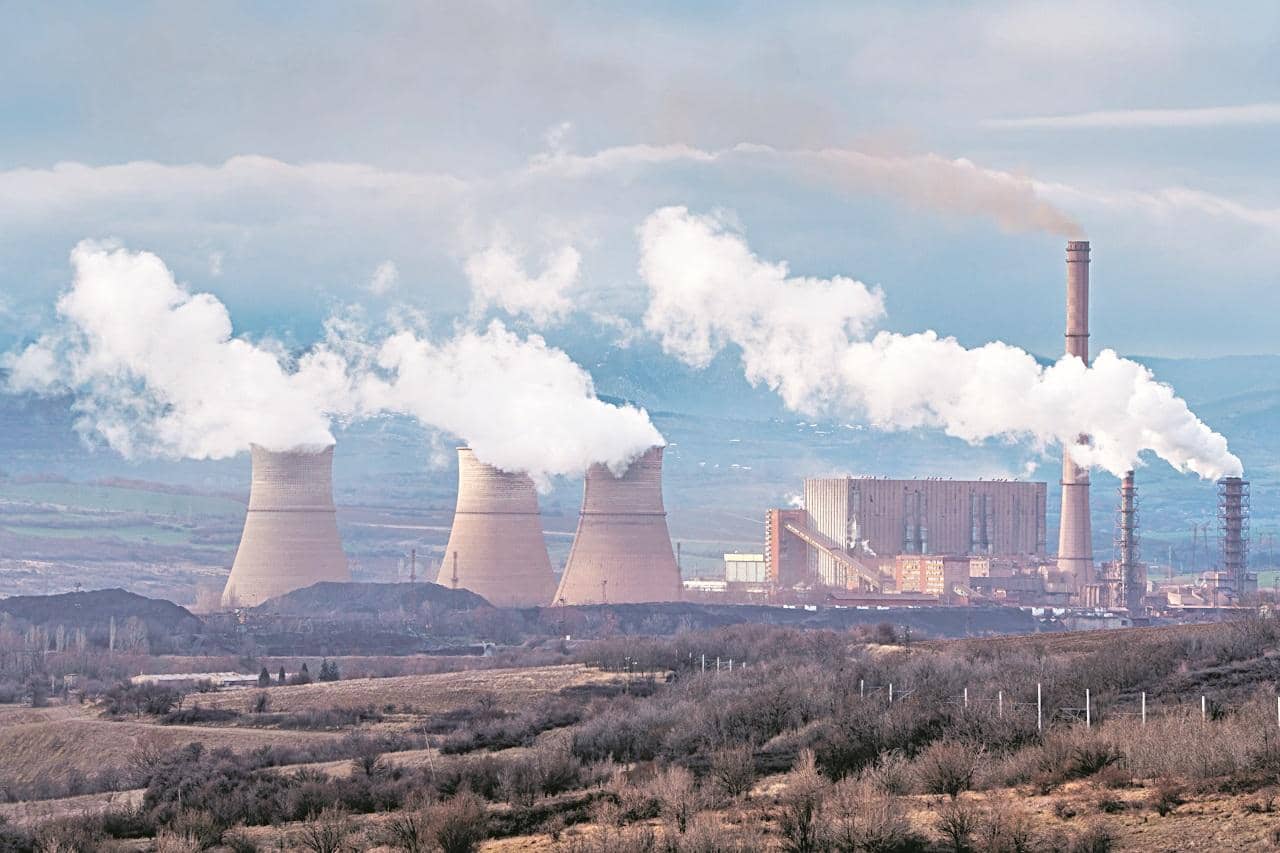
India appears well-positioned to fulfil its climate commitments, offering a rare bright spot in global emissions trajectories that the United Nations Environment Programme warns remain dangerously misaligned with climate goals. The assessment comes as international efforts to curtail greenhouse gas emissions face mounting pressure, with current global policies failing to deliver the rapid reductions necessary to avert severe climate impacts.
The UNEP's findings underscore a widening disparity between individual nation performance and collective global requirements. While India's policy framework suggests the South Asian nation will meet its nationally determined contributions—the climate pledges made under the Paris Agreement—the world as a whole remains on a trajectory that will exceed safe warming thresholds.
To prevent peak global temperatures from exceeding the 1.5°C threshold established as a critical benchmark in climate science, worldwide emissions must decline far more steeply than current trends indicate. The gap between national commitments and what climate science demands has become a central concern for international climate negotiations, highlighting the need for more ambitious targets across major emitting nations.
India's progress reflects the country's renewable energy expansion and policy initiatives aimed at decarbonisation. However, experts stress that India's individual success cannot offset global shortfalls, and that accelerated action from major developed and developing economies remains essential to address the climate emergency.