Politics · India Bureau
India-Pakistan ties: balancing security concerns with regional cooperation
Pakistan's Climate Minister's attendance at an SCO forum in New Delhi has reignited discussions on the trajectory of bilateral relations. The visit underscores the tension between India's firm stance on cross-border terrorism and the potential for collaborative efforts on shared challenges.
LSN India ·
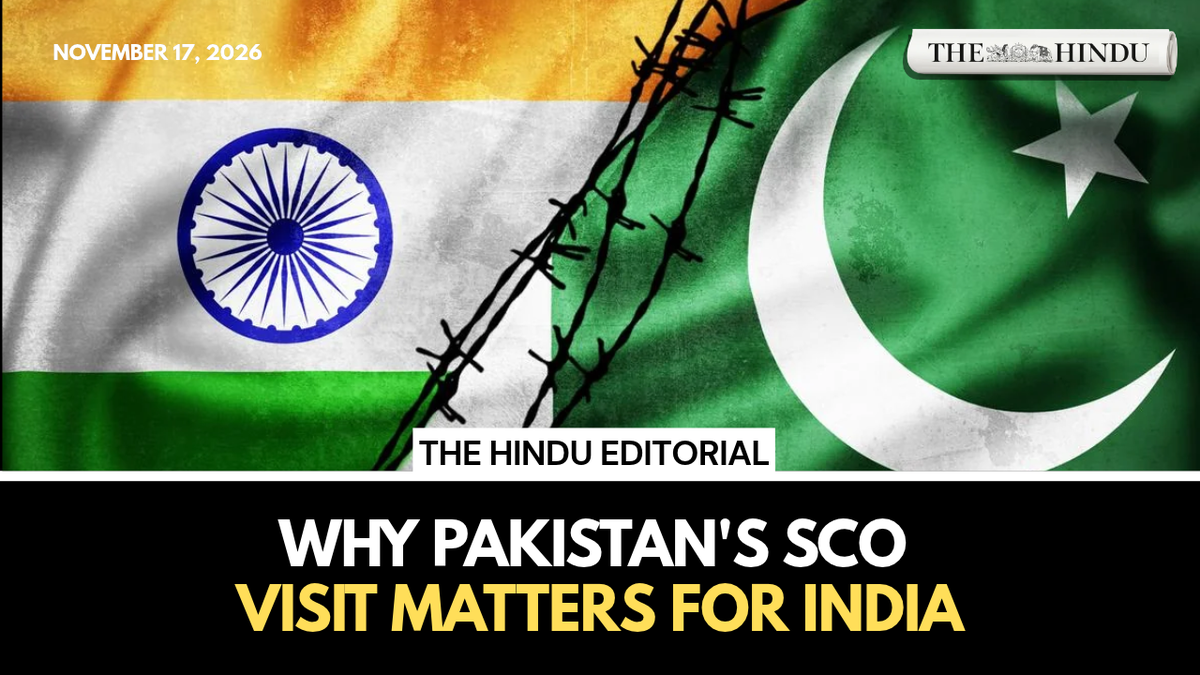
Pakistan Climate Minister Musadik Masood Malik's participation in the SCO Civilisational Dialogue Forum in New Delhi has brought India-Pakistan relations back into focus, raising questions about the future direction of bilateral engagement amid persistent security concerns.
India has maintained an uncompromising position on cross-border terrorism, particularly following repeated militant attacks originating from Pakistani territory. This hardline stance has fundamentally shaped New Delhi's approach to diplomatic ties with Islamabad, limiting high-level political engagement and conditioning any broader cooperation on concrete action against terror groups.
Yet the attendance of Pakistani officials at multilateral forums in India suggests that compartmentalized cooperation remains possible on issues transcending bilateral friction. Water security, climate change, trade, and regional stability present areas where both nations share common interests and face interconnected challenges that neither can address in isolation.
The critical question for policymakers is whether India and Pakistan can sustain technical and functional cooperation on shared concerns while maintaining firm boundaries on security matters. Experts suggest that such selective engagement, though limited, could provide a foundation for incremental confidence-building and potentially create space for future political dialogue when circumstances permit.
For India, the balancing act involves signaling that regional cooperation remains achievable while demonstrating that security grievances remain non-negotiable. How this equilibrium evolves will significantly influence broader South Asian stability and the potential for meaningful regional integration.