Politics · India Bureau
India Parliament accelerates legislative pace with bills passed in single session
More than half of all bills introduced in the current Lok Sabha have been passed by both Houses within their introduction session, marking a significant acceleration in the parliamentary legislative calendar. The trend reflects a sharp departure from historical patterns, with passage rates nearly doubling over successive parliaments.
LSN India ·
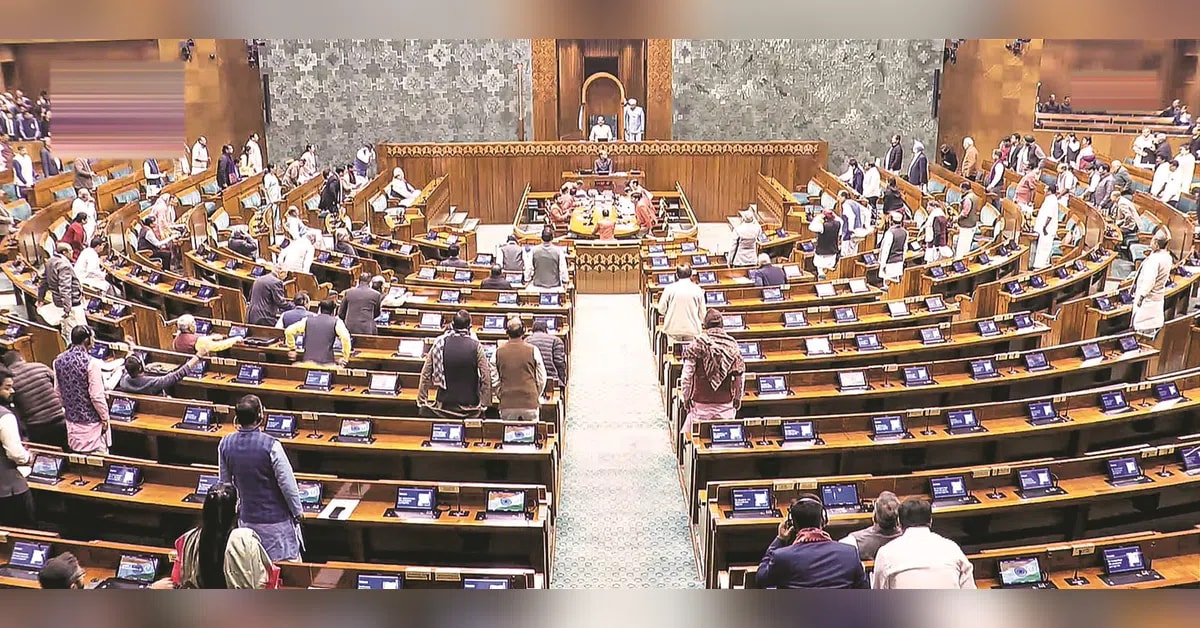
An analysis of parliamentary data shows that 34 of the 64 bills introduced in the 18th Lok Sabha—representing 53 per cent—have been enacted by both Houses in the same session in which they were introduced. This represents a marked escalation in the speed of legislative passage compared to previous parliaments.
The pace of bill passage has accelerated significantly across recent parliamentary terms. During the 16th Lok Sabha, only 33 per cent of bills introduced were passed in their introduction session, with 63 of 189 bills cleared by both Houses within that timeframe. This proportion nearly doubled during the 17th Lok Sabha, when approximately 62 per cent of bills—117 of 190—were passed in the same session.
While the 18th Lok Sabha began this parliamentary term at a slower pace on this metric, the trajectory has quickened sharply over the past year, bringing passage rates in line with the accelerated pattern observed in the previous parliament. The data, compiled by PRS Legislative Research, an independent not-for-profit organisation that monitors parliamentary functioning, underscores the evolving rhythm of legislative business in the current Lok Sabha.
The increasing proportion of bills passed in single sessions suggests changes in how Parliament structures its legislative agenda, though analysts continue to assess whether this pace reflects improved efficiency or compressed scrutiny of proposed legislation.