Politics · India Bureau
India positioned as 'power in the middle', not middle power: Jaishankar
External Affairs Minister S Jaishankar has articulated India's distinctive global role, emphasizing the nation's capacity to influence global affairs from a central position rather than operating as a conventional middle power. He also highlighted concerns about chokepoints constraining international commerce and policy.
LSN India ·
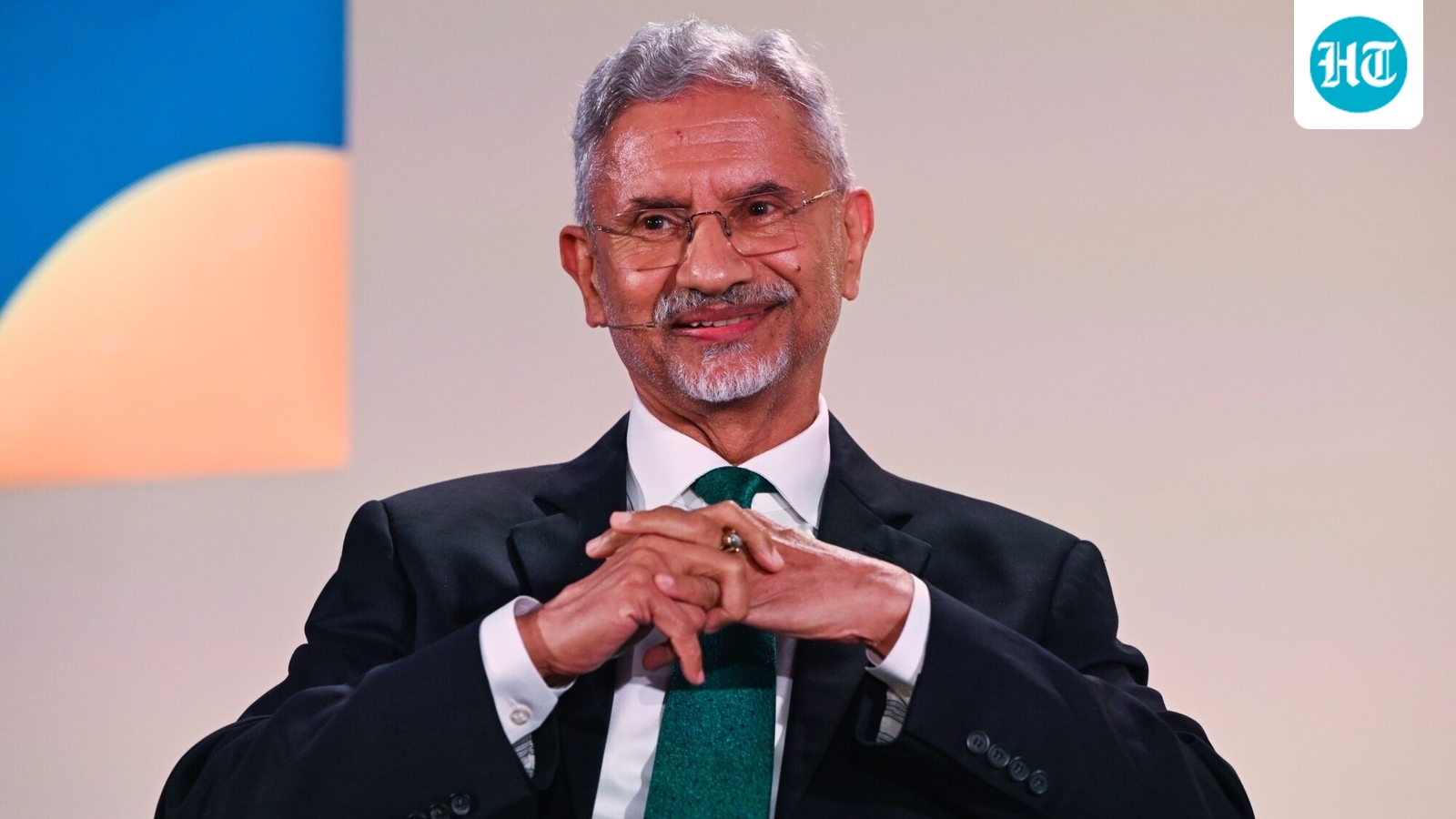
India's External Affairs Minister S Jaishankar has clarified the country's unique standing in global affairs, distinguishing it from the conventional classification of middle powers. Speaking on India's international role, Jaishankar described the nation as a "power in the middle" rather than merely a "middle power," underscoring India's capacity to shape outcomes across multiple domains of global engagement.
The characterization reflects India's strategic positioning as a nation capable of independent decision-making and significant influence in international relations, particularly as geopolitical alignments continue to shift across Asia and beyond. Jaishankar's framing suggests India operates with agency and centrality in navigating global challenges rather than occupying a subordinate tier in the international hierarchy.
During his remarks, Jaishankar also addressed systemic vulnerabilities in the global order, pointing to the proliferation of "choke points" that constrain international activity. These vulnerabilities extend beyond traditional maritime chokepoints to encompass emerging restrictions in financial systems and sanctions regimes, which he characterized as increasingly prevalent features of the contemporary global landscape.
The minister's commentary reflects growing Indian concerns about structural constraints on national autonomy and international commerce, issues that New Delhi has increasingly prioritized in multilateral forums. His remarks underscore India's effort to articulate an independent perspective on global governance while addressing the practical challenges posed by concentrated control over critical economic and strategic pathways.