Politics · India Bureau
India positions itself as key semiconductor manufacturing alternative
Prime Minister Narendra Modi has outlined an ambitious strategy to establish India as a viable semiconductor supplier, moving beyond its current role as a consumer of chips. The government's revamped industrial roadmap focuses on six critical areas spanning design to talent development.
LSN India ·
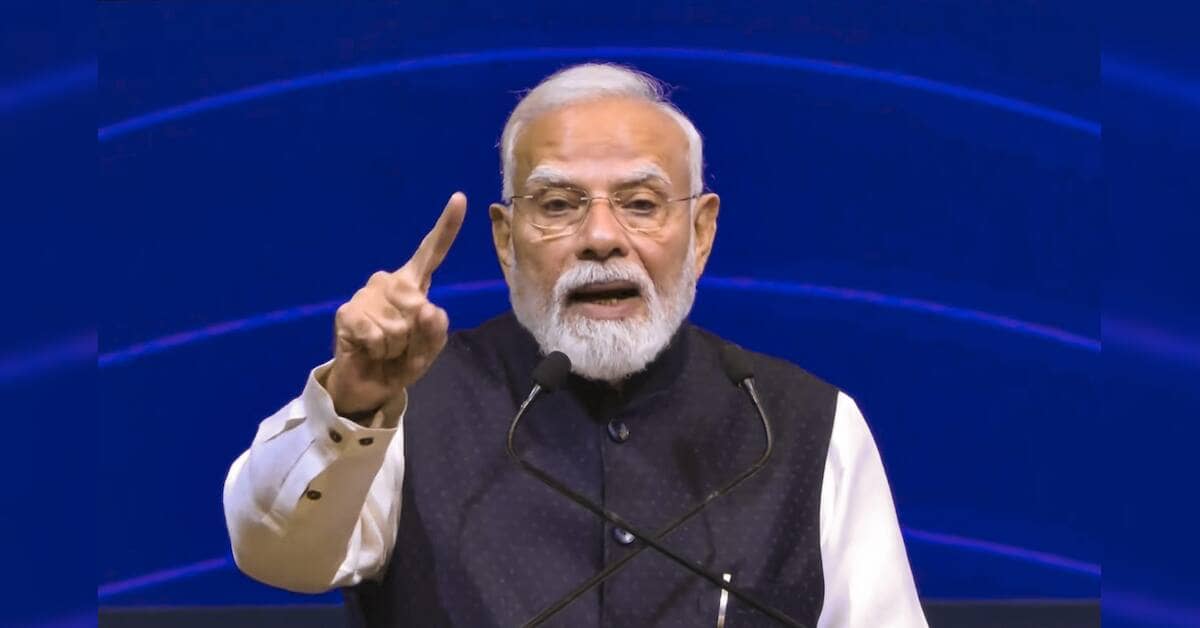
India is accelerating efforts to reduce its dependence on foreign semiconductor manufacturers by developing domestic production capabilities across the entire chip ecosystem. Prime Minister Modi has signaled the country's intent to emerge as a reliable alternative supplier in global markets, capitalizing on geopolitical shifts and diversification demands from international buyers.
The government's updated framework, building on previous initiatives, targets six strategic pillars to establish a comprehensive semiconductor sector. These pillars encompass chip design, manufacturing machinery and materials sourcing, fabrication facilities, advanced packaging technologies, research and development infrastructure, and workforce skill development.
The multifaceted approach reflects recognition that semiconductor self-sufficiency requires simultaneous progress across design, production, and supporting industries. By strengthening capabilities in materials and machinery sourcing domestically, India aims to reduce supply chain vulnerabilities while creating downstream manufacturing advantages.
The emphasis on research and development and talent development indicates the government's commitment to building long-term competitive advantages rather than pursuing short-term assembly operations. Industry analysts view the strategy as positioning India to capture a portion of semiconductor manufacturing investment fleeing traditional concentrated suppliers amid rising protectionism and strategic concerns.
Successful execution of the roadmap would significantly alter India's technology trade balance while creating high-skilled employment opportunities, though significant capital investment and technical expertise transfer remain prerequisites for achieving the ambitious objectives.