World · India Bureau
India pursues western air corridor through China's Xinjiang region
New Delhi is exploring a flight route via Hotan in China's Xinjiang to reduce travel time and operational costs, though significant obstacles including airspace access, terrain challenges and limited emergency options remain unresolved.
LSN India ·
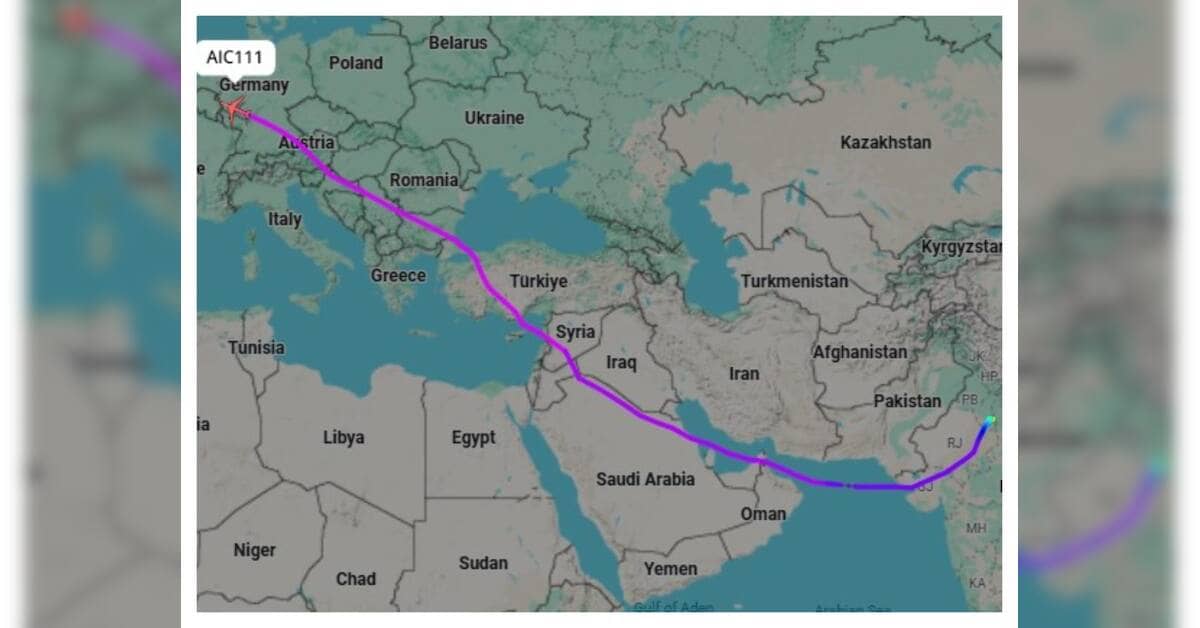
India is advancing discussions with Chinese authorities on establishing an air corridor through Xinjiang's Hotan region, a move aimed at shortening flight distances and reducing expenses for commercial aviation operations. The proposed route would provide a more direct path compared to existing flight corridors, offering potential savings in fuel consumption and flying time for airlines operating between India and destinations in western and central Asia.
The initiative reflects New Delhi's broader interest in strengthening bilateral aviation connectivity with Beijing while seeking more efficient transcontinental routing options. However, several substantial obstacles complicate the corridor's development. Obtaining necessary airspace rights from Chinese authorities remains a complex diplomatic and technical matter, while the mountainous terrain of the Xinjiang region presents inherent navigation and safety challenges.
Limited diversion and emergency landing options along the proposed route also pose significant concerns for aviation regulators. Commercial aircraft require viable alternative airports within specified distances to ensure passenger safety and regulatory compliance. The sparse infrastructure and remote nature of much of Xinjiang's geography create difficulties in meeting these stringent safety requirements.
Indian aviation officials must balance the potential operational benefits of the new corridor against the technical, regulatory and geopolitical complexities involved in its implementation. Successful development would require sustained coordination between New Delhi's aviation authorities and their Chinese counterparts, alongside comprehensive safety assessments to address the unique challenges presented by the route's geography and limited support infrastructure.