World · India Bureau
India Questions Legitimacy of Sharif-Led Pakistani Government
Indian officials have begun referring to Pakistan's Shehbaz Sharif administration as a 'Form 47 government,' a reference that questions the constitutional validity of the current regime. The terminology reflects New Delhi's skepticism regarding how the government came to power.
LSN India ·
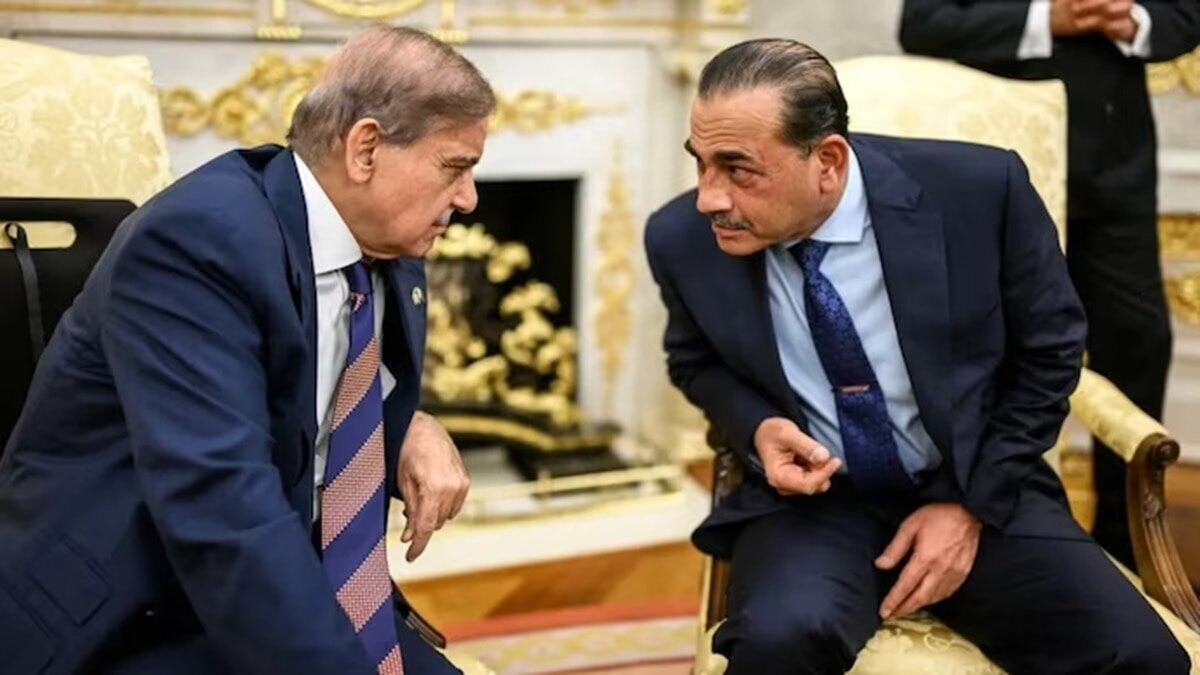
India has adopted the term 'Form 47 government' in its recent commentary on Pakistan's political situation, a phrase laden with implications about the legitimacy of Prime Minister Shehbaz Sharif's administration. The reference appears to draw parallels to Pakistani electoral procedures and documentation, suggesting that Indian observers view the current government as lacking proper constitutional grounding or democratic mandate.
The 'Form 47' terminology carries significance within Pakistan's administrative and electoral framework, where such forms represent specific procedural documents. By invoking this reference, Indian commentators are implying that the Sharif government may have bypassed standard constitutional processes or lacks adequate democratic legitimacy in its formation.
The criticism reflects broader tensions between India and Pakistan over governance and democratic processes. India has previously expressed concerns about the stability and legitimacy of various Pakistani administrations, often highlighting questions about military influence and constitutional compliance in Islamabad's political affairs.
Pakistan's government has not publicly responded to these characterizations. The country's political landscape remains complex, with ongoing debates about constitutional governance, military involvement in politics, and the legitimacy of different administrations continuing to shape regional dynamics.
The exchange underscores how India and Pakistan frequently use terminology and commentary about each other's governance structures as vehicles for political criticism, reflecting the broader contestation between the two nations on matters of institutional legitimacy and democratic practice.