World · India Bureau
India Railways: What You Need to Know About Carrying Alcohol on Trains
Confusion persists among passengers about alcohol carrying rules on Indian trains. Here's what the Railways permit, potential penalties, and how metro regulations differ from conventional rail transport.
LSN India ·
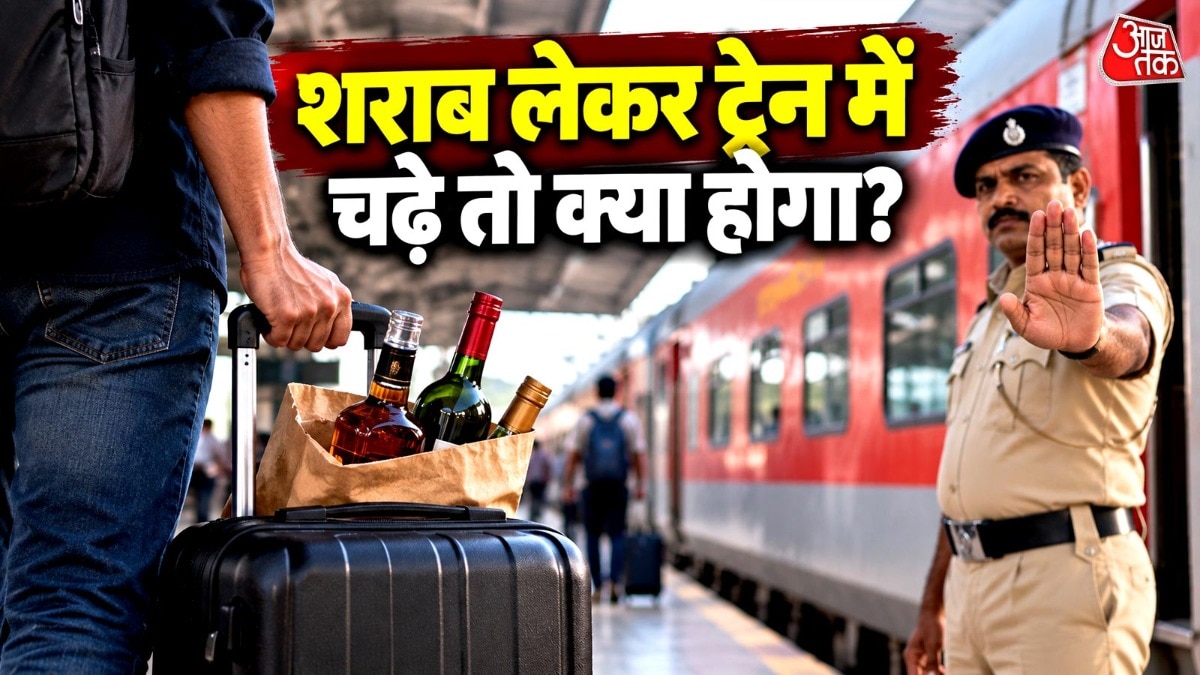
Passengers travelling on Indian Railways often harbour misconceptions regarding the carriage of alcoholic beverages, leading to potential violations of transport regulations. Understanding the official guidelines can help travellers avoid complications during their journey.
Railways permit passengers to carry sealed bottles of alcohol in their checked luggage, though specific quantity restrictions apply depending on the route and train category. The key requirement is that bottles must remain sealed and unopened throughout the journey. Passengers are prohibited from consuming alcohol in public areas of trains, including coaches, corridors, and platforms. Violation of these rules can result in penalties, confiscation of the bottles, and in serious cases, removal from the train.
Authorities impose stricter enforcement on certain routes and during specific hours to maintain decorum and safety standards across rail networks. Penalties vary based on the nature of the violation and the discretion of railway officials present at the time of discovery.
Delhi Metro operates under separate regulatory frameworks distinct from Indian Railways. Metro authorities maintain stricter prohibitions on alcohol carriage, reflecting the high-volume, rapid-transit nature of metro systems and their emphasis on public safety in densely populated urban corridors. These differences reflect varying operational priorities between long-distance rail transport and urban mass transit systems.
Travellers are advised to check specific regulations with their respective railway zones before embarking on journeys, as guidelines may vary across different regions and train categories to accommodate local requirements and safety protocols.