Politics · India Bureau
India rejects monopoly concerns as Musk renews Starlink clearance criticism
India's communications minister has reiterated the country's commitment to preventing monopolies in the telecom sector, responding to Elon Musk's continued public criticism over Starlink's pending security approval to operate in the Indian market.
LSN India ·
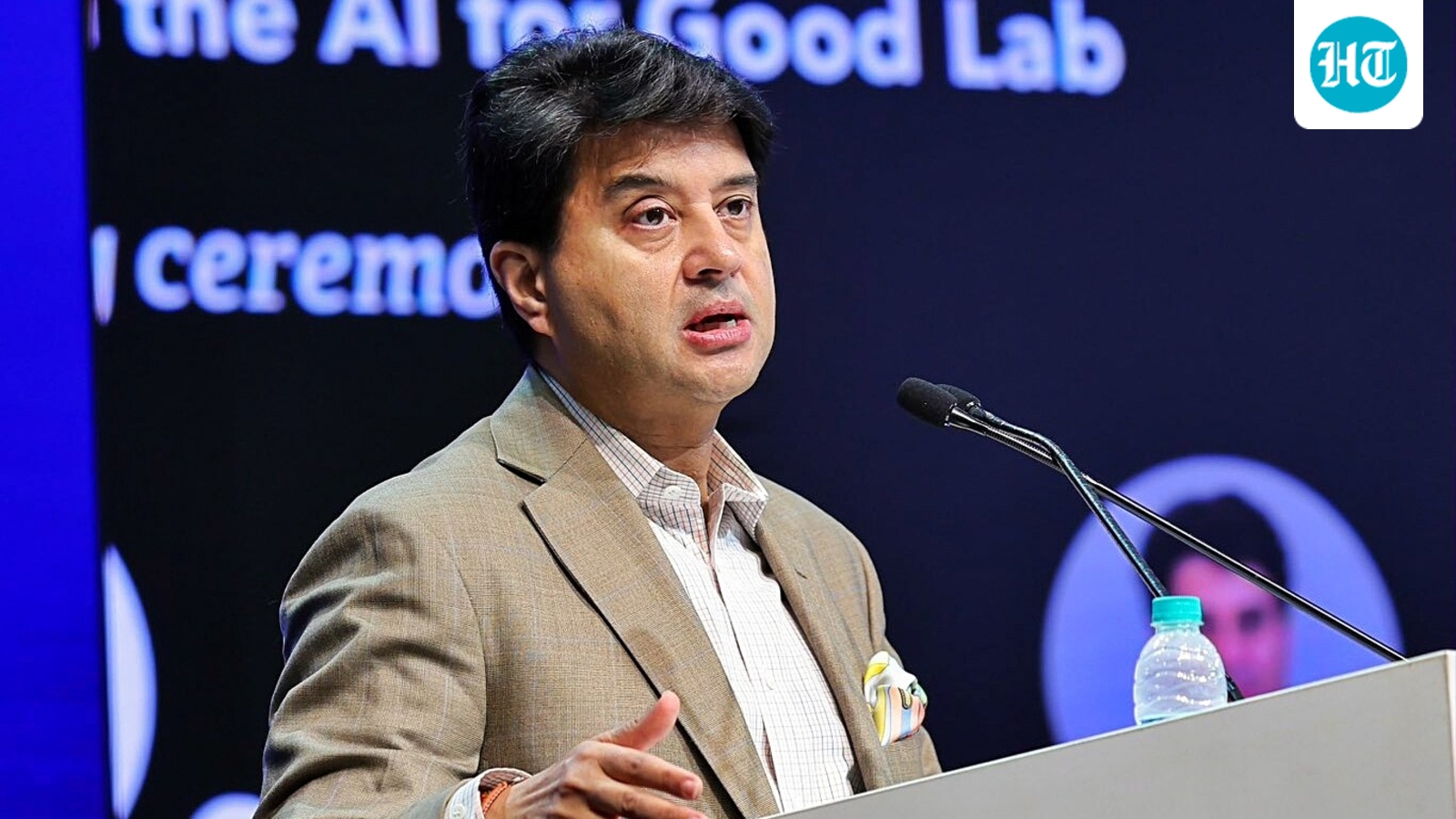
The Indian government has stressed its policy stance against allowing monopolistic practices in telecommunications, amid escalating tensions with billionaire entrepreneur Elon Musk over SpaceX's Starlink satellite internet venture. Musk took to social media late Friday with another sarcastic post criticizing delays in obtaining security clearance for Starlink operations in India, continuing a public campaign against what he perceives as regulatory obstacles.
India's communications minister reasserted that the country maintains strict regulatory frameworks designed to ensure fair competition and prevent market concentration in the telecom sector. The minister's comments underscore New Delhi's position that any approval for satellite-based internet services must comply with existing security protocols and competitive safeguards.
Starlink has been seeking regulatory clearance to begin commercial operations in India, a market with significant growth potential given the country's large population and expanding internet penetration needs. However, the approval process has faced delays as Indian authorities conduct security reviews and assess the venture's compliance with local regulations.
Musk's recent social media remarks represent the latest in a series of public complaints regarding India's regulatory approach. The billionaire has previously criticized what he characterizes as bureaucratic delays hindering Starlink's market entry in the country.
The standoff highlights broader tensions between global technology companies and India's regulatory framework, which emphasizes national security considerations and competitive market structures in the telecommunications sector.