Politics · India Bureau
India restricts antihistamine-decongestant combinations for young children
India's health regulator has extended restrictions on fixed dose combinations containing Chlorpheniramine Maleate and Phenylephrine Hydrochloride for pediatric use. The latest notification covers all formulations of these two chemical compounds, tightening safety standards for children's medications.
LSN India ·
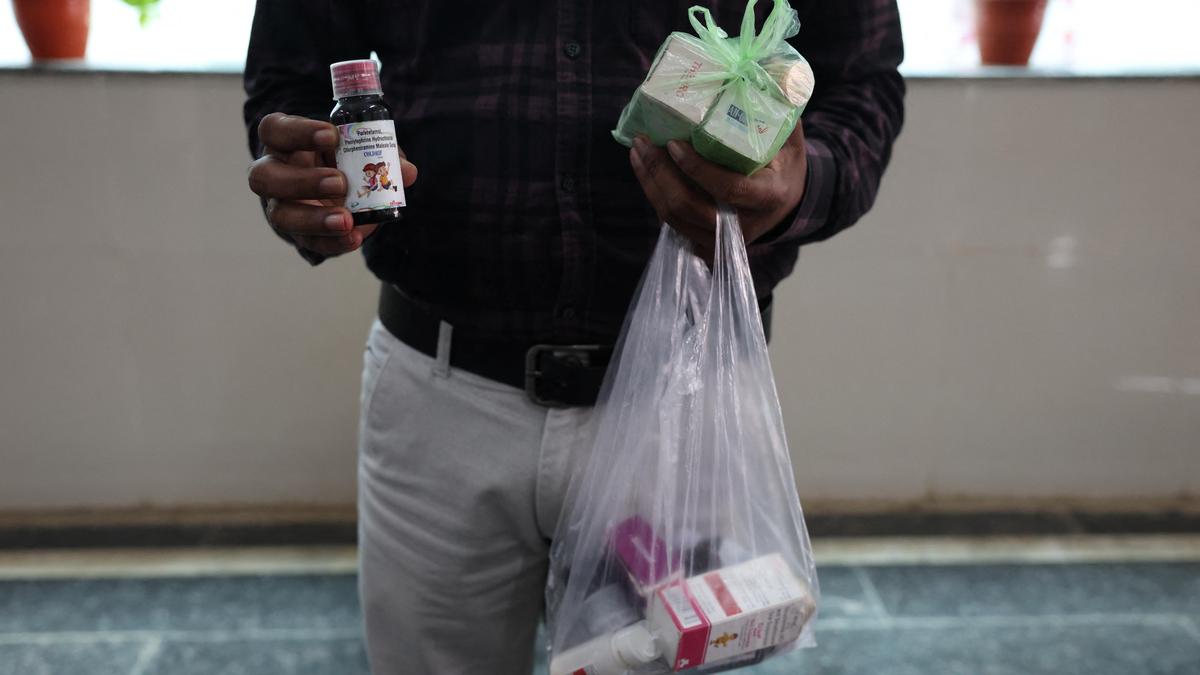
India's pharmaceutical regulator has issued a notification restricting the use of fixed dose combinations containing Chlorpheniramine Maleate and Phenylephrine Hydrochloride across all formulations intended for young children. The move reflects growing concerns about the safety profile of these commonly used antihistamine and decongestant compounds in pediatric populations.
The restriction applies to all products combining these two active ingredients, marking an expansion of previous regulatory measures. Chlorpheniramine Maleate, a first-generation antihistamine, and Phenylephrine Hydrochloride, a sympathomimetic decongestant, are widely found in over-the-counter cold and allergy medications sold across India's pharmaceutical market.
The regulatory action aligns with international standards adopted by health authorities in several countries, which have raised concerns about the efficacy and safety of such combinations in children below a certain age. Medical experts have questioned the therapeutic benefit of these fixed dose combinations while highlighting potential risks including adverse effects on the cardiovascular and central nervous systems.
Pharmaceutical companies manufacturing these formulations will need to reformulate their products or seek alternative regulatory pathways. The notification is expected to impact a significant segment of India's pediatric cold and allergy medication market, prompting manufacturers to reassess their product portfolios and explore safer alternatives for young patients.