Politics · India Bureau
India restricts rice use for ethanol amid food security concerns
Following restrictions on sugarcane, India has now limited rice availability for ethanol production, redirecting demand toward maize. Industry analysts project maize consumption for fuel ethanol could surge to 16 million tonnes in the coming year.
LSN India ·
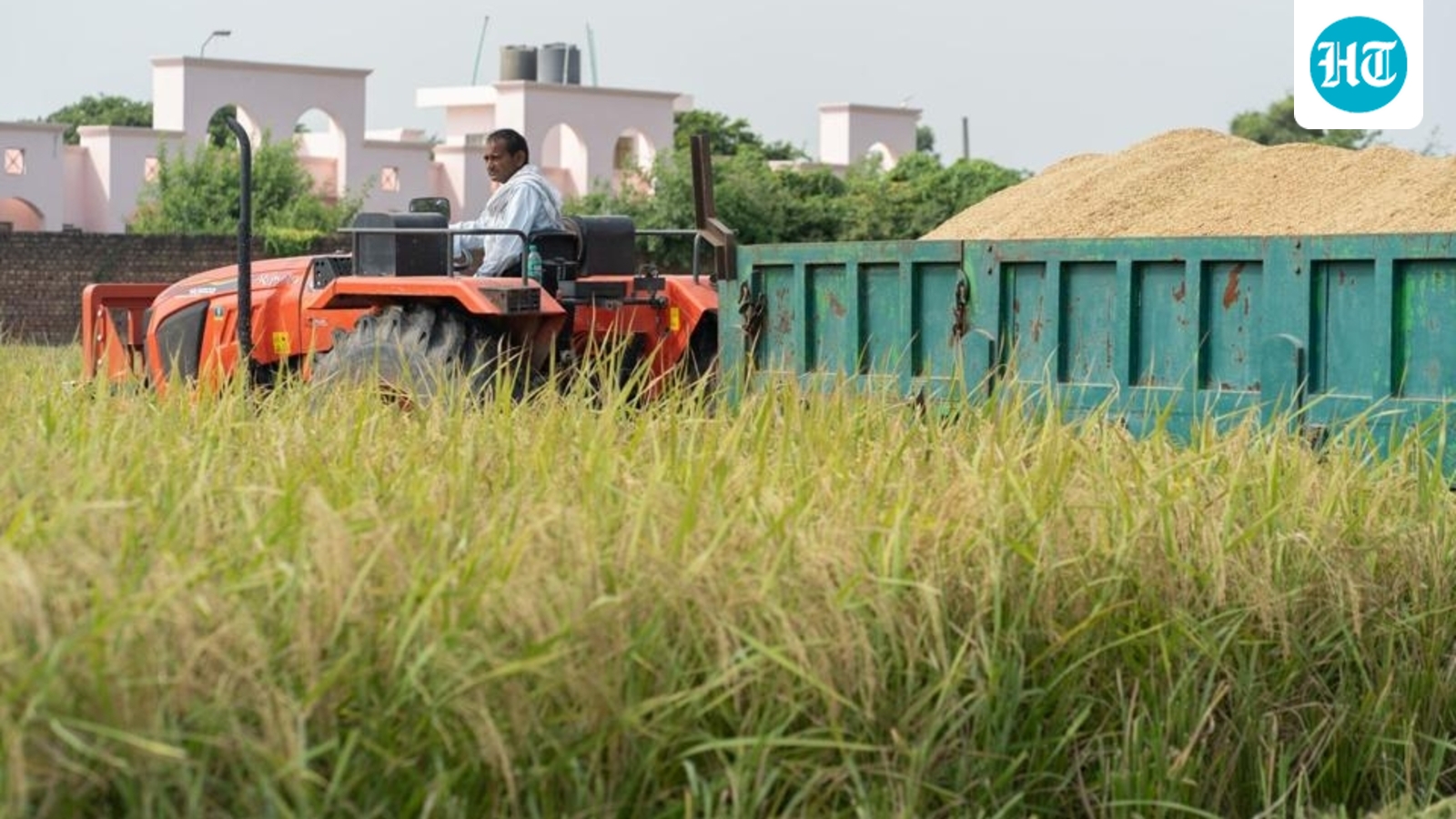
India's government has imposed curbs on using rice for ethanol production, marking the latest in a series of measures to protect food grain supplies. The restriction follows earlier limitations on sugarcane allocation for fuel ethanol, signaling policymakers' intent to prioritize food security over biofuel expansion.
The move is expected to shift industry focus toward alternative feedstocks, particularly maize. According to industry estimates, maize demand for ethanol production could rise significantly to approximately 16 million tonnes in the next supply year, compared with around 13 million tonnes in the current year—a potential increase of nearly 25 percent.
The policy reflects growing concerns over food inflation and supply stability in India, one of the world's largest agricultural producers. By restricting the diversion of staple crops to fuel production, the government aims to ensure adequate domestic food availability while managing broader economic pressures.
Maize producers and ethanol manufacturers are expected to adjust their operations accordingly. The shift toward maize-based ethanol production could have ripple effects on pricing and availability of the grain for other industrial and agricultural applications in the coming months.