Business · India Bureau
India's 2014 WTO stand still shields food security, farmers
India's decision to block a World Trade Organisation agreement a decade ago continues to protect public food stockpiling programmes and support vulnerable farming communities across the country.
LSN India ·
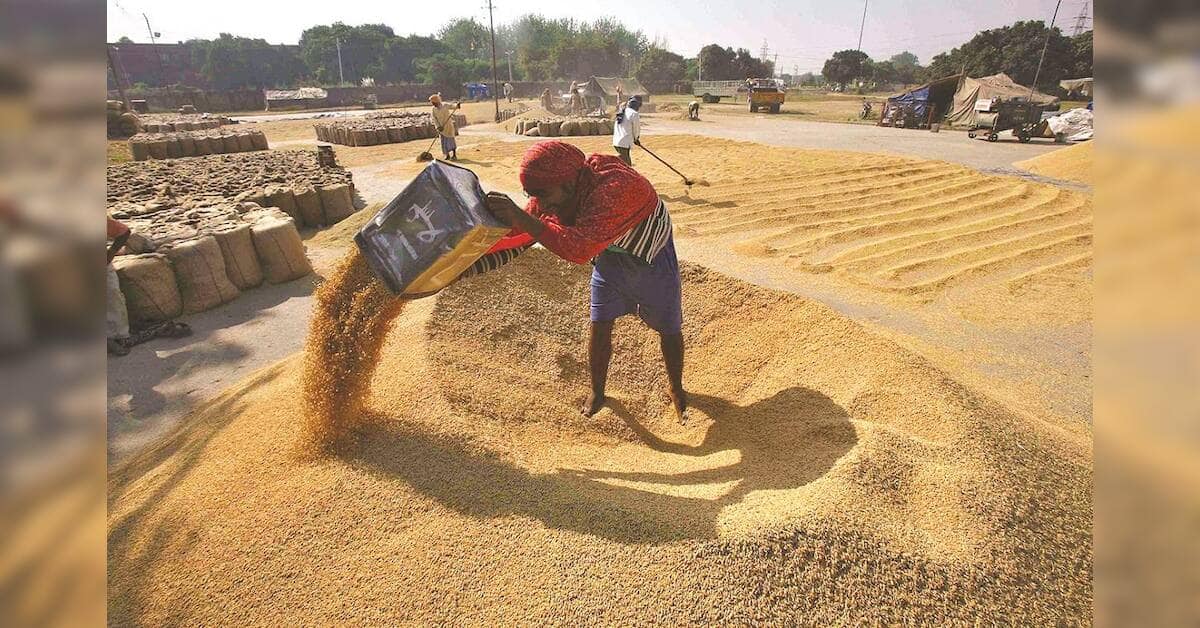
India's refusal to ratify a key WTO trade pact in 2014 remains one of the most consequential decisions in the country's multilateral trade negotiations, preserving critical safeguards for food security and agricultural livelihoods. The decision to withhold support for the Trade Facilitation Agreement allowed New Delhi to maintain exemptions for its public stockholding programmes, which form the backbone of domestic food security and poverty alleviation efforts.
The Indian government's stance centred on protecting its ability to maintain strategic grain reserves and run subsidy-dependent food distribution systems without triggering disputes at the WTO. Public stockholding—where governments procure and store food grains for distribution through welfare schemes—had faced potential challenges under proposed trade rules that could have classified such initiatives as market-distorting subsidies.
A decade on, the protections secured through that negotiating position continue to underpin India's domestic food policy framework. The country's public distribution system, which serves hundreds of millions of citizens, and government procurement programmes that guarantee prices to farmers, remain shielded from WTO restrictions. Experts note that without the 2014 stand, India's policy space to address food inflation, manage agricultural distress, and implement welfare programmes could have been significantly constrained.
The decision reflected a broader assertion by India and other developing nations that trade agreements must accommodate their development priorities and food security imperatives. As global food insecurity concerns persist, the precedent set by India's negotiating position continues to influence how developing countries approach WTO discussions on agricultural trade and subsidy regulations.