Politics · India Bureau
India's 3.4-billion-year-old rocks yield Earth's oldest life evidence
Scientists have identified biological traces in ancient Indian rock formations dating back approximately 3.5 billion years, marking the oldest known evidence of microbial life on Earth. The discovery reveals signs of photosynthetic activity and complex metabolic processes in samples originating from hydrothermal vent environments.
LSN India ·
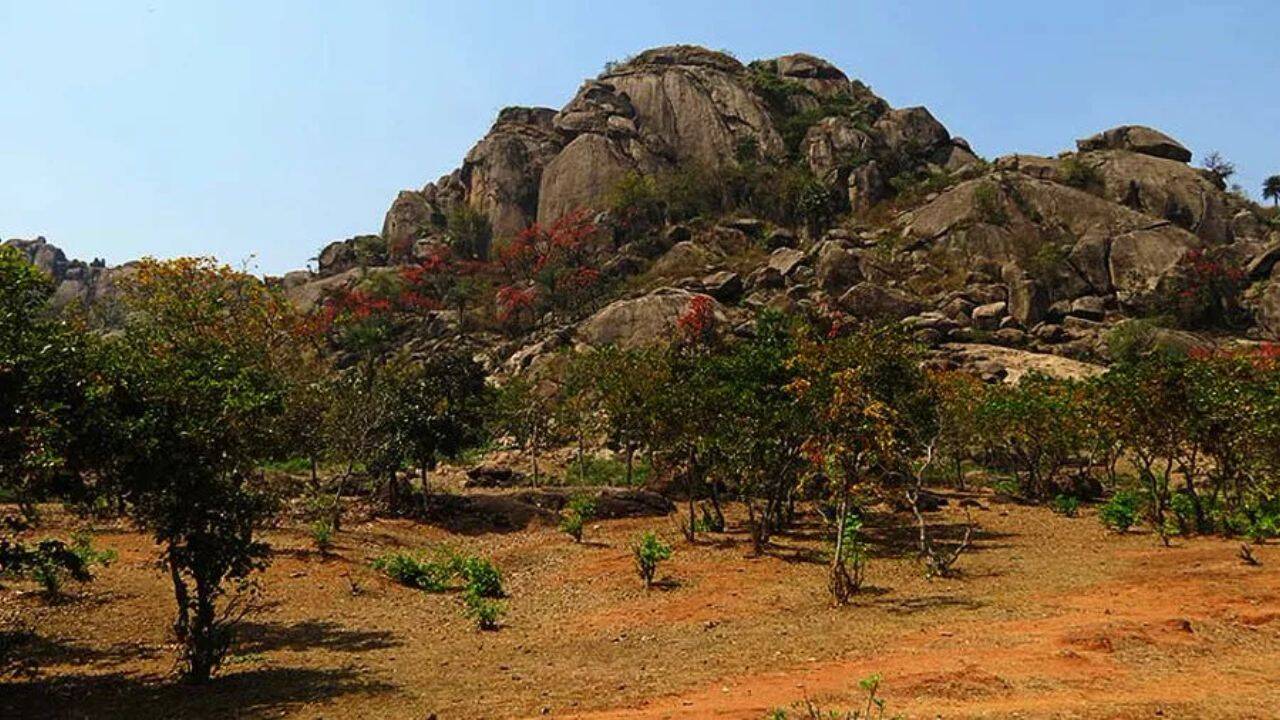
Researchers examining layered rock formations in India have uncovered compelling evidence of microbial life dating back some 3.4 to 3.5 billion years, pushing back the timeline of life's emergence on Earth. The findings represent the oldest known biological materials discovered in rock strata to date, offering unprecedented insights into the planet's earliest biological processes.
Analysis of the samples reveals distinctive traces of photosynthetic activity and sophisticated metabolic processes, suggesting that life not only existed but was already pursuing complex chemical functions during Earth's earliest period. The microbial organisms appeared to thrive in environments adjacent to underwater hydrothermal vents, where mineral-rich fluids provided the chemical energy necessary to sustain primitive life forms.
The discovery from Indian rock formations adds significant weight to scientific understanding of abiogenesis—the process by which non-living matter first developed into living organisms. These ancient microbial communities likely flourished in Earth's oceans during the Archean Eon, when conditions on the young planet were vastly different from today.
The findings underscore India's geological significance as a repository of Earth's most ancient biological record. Further research into these formations may yield additional details about the chemical and environmental conditions that enabled life to emerge and establish itself during Earth's earliest chapter.