Politics · India Bureau
India's Agriculture Sector Faces Critical Crossroads on Mechanisation, Trade
A comprehensive analysis examines how mechanisation, trade liberalisation, and policy reforms could reshape India's agricultural landscape. The study highlights the interconnected challenges facing the sector as it seeks to modernise while maintaining rural livelihoods.
LSN India ·
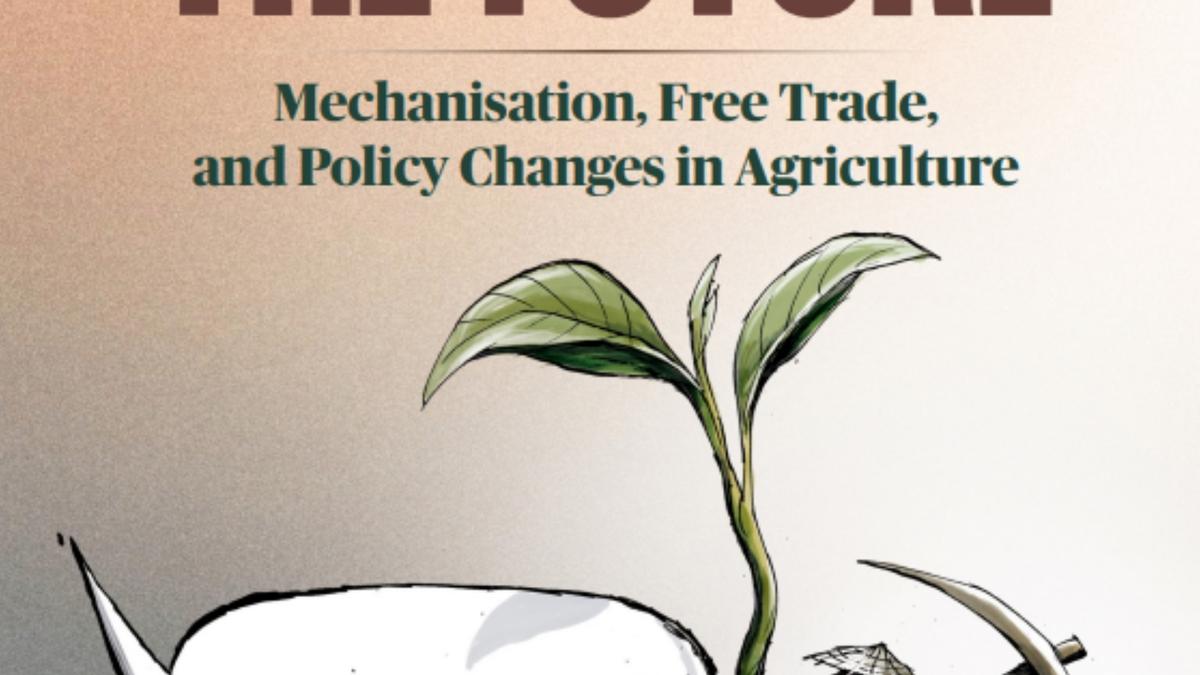
India's agriculture sector stands at a pivotal moment as policymakers weigh the potential impacts of mechanisation, free trade agreements, and structural reforms on the nation's farming communities and food security. The critical issues facing the sector demand urgent attention from government, industry, and agricultural stakeholders to chart a sustainable path forward.
Mechanisation represents both an opportunity and a challenge for Indian agriculture. While improved farm machinery and technology can boost productivity and reduce labour costs, the transition threatens to displace significant portions of the rural workforce. The sector must balance efficiency gains against the social implications of large-scale agricultural mechanisation, particularly for smallholder farmers who comprise the majority of India's agricultural population.
Trade liberalisation presents another layer of complexity. Opening agricultural markets to global competition could expose Indian farmers to price fluctuations and cheaper imports, while potentially offering new export opportunities. Policy interventions must carefully calibrate trade openness to protect domestic producers without isolating them from international market dynamics and technological advancement.
Experts emphasise that successful agricultural transformation requires coordinated policy changes encompassing investment in rural infrastructure, farmer training programmes, and market access initiatives. The challenge lies in designing reforms that enhance productivity and profitability while safeguarding food security and supporting rural communities dependent on farming for their survival.