Politics · India Bureau
India's agrivoltaics model struggles to scale beyond pilot farms
Solar panels installed above crop fields offer Indian farmers a dual revenue stream, but high costs and inconsistent policy backing are limiting wider adoption of the agrivoltaics approach.
LSN India ·
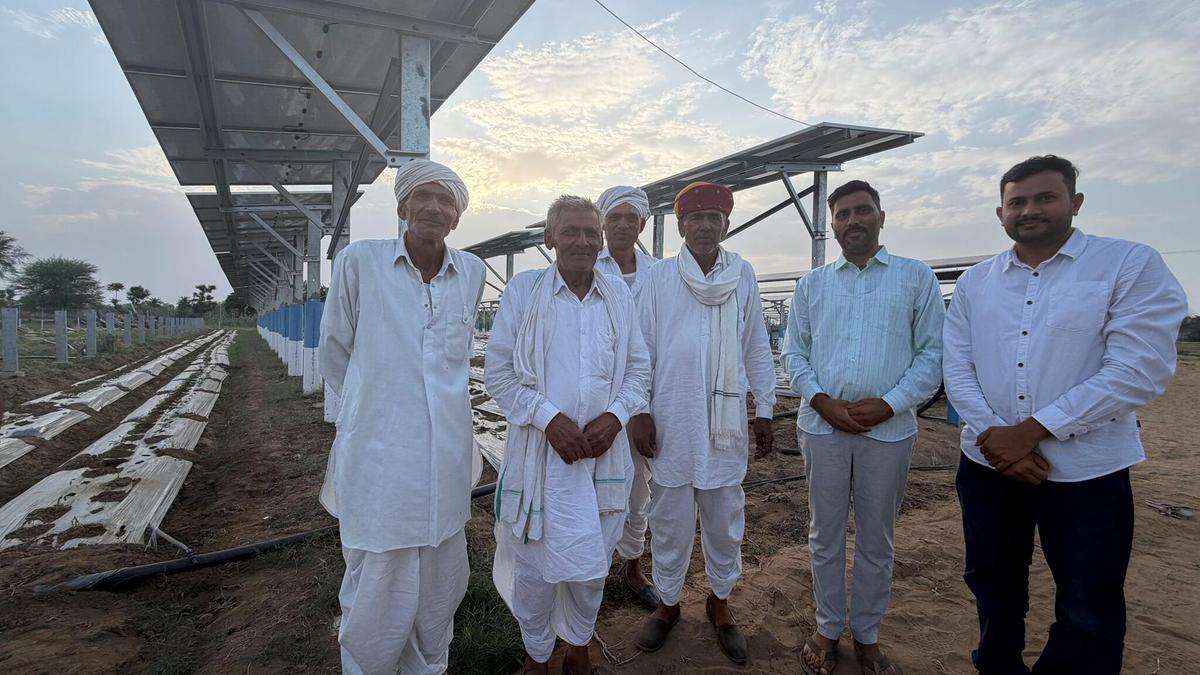
India's emerging agrivoltaics sector—which enables farmers to cultivate crops beneath solar panels while generating electricity—holds considerable promise for rural income diversification. The model allows landowners to leverage the same plot for both agricultural production and renewable energy generation, addressing dual challenges of food security and clean power supply.
However, the model remains largely confined to demonstration projects and small-scale implementations. Researchers and farming communities cite substantial upfront capital requirements as the primary barrier to expansion. Installation costs for solar infrastructure, combined with necessary modifications to farming practices, place agrivoltaics beyond the financial reach of many smallholder and marginal farmers who dominate India's agricultural landscape.
Financing constraints compound the problem. Banks and institutional lenders have been hesitant to extend credit for agrivoltaics ventures, viewing them as higher-risk compared to conventional agriculture or established solar projects. The absence of standardised frameworks for assessing project viability has made lenders cautious about committing capital to the sector.
Policy support remains uneven across states, further impeding scale-up efforts. While some regional governments have begun exploring supportive frameworks, the lack of coordinated national guidelines and incentive structures has left many farmers uncertain about long-term viability and regulatory stability. Agricultural researchers emphasise that bridging the gap between promising pilot data and widespread adoption will require targeted financing mechanisms and clearer policy directives from state and central authorities.