Technology · India Bureau
India's AI exposure rises but workforce shows resilience, new analysis finds
A comprehensive policy paper on artificial intelligence and automation reveals that while Indian employment has increased exposure to AI technologies since 2012, the quality of that exposure has simultaneously improved. The analysis suggests India's labour market is adapting to technological shifts with measurable gains.
LSN India ·
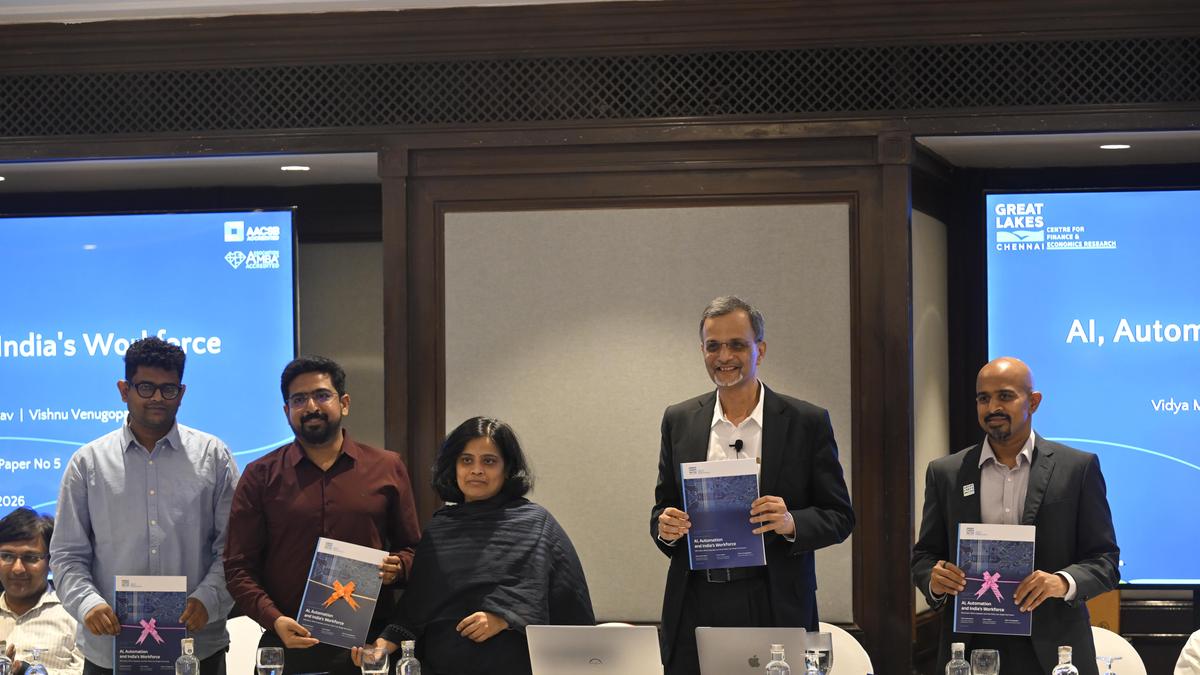
India's principal economic advisor Anantha Nageswaran has released a detailed white paper examining the intersection of artificial intelligence, automation, and the country's workforce dynamics. The research provides policymakers and industry stakeholders with data-driven insights into how AI adoption is reshaping employment patterns across the Indian economy.
The paper's central findings indicate that the proportion of Indian workers in roles exposed to AI technology has grown modestly over the past decade. Rather than painting a narrative of technological disruption overwhelming the labour market, the analysis demonstrates that exposure has increased at a measured pace, allowing for gradual workforce adaptation.
Significantly, the quality of AI exposure has simultaneously risen since 2012, suggesting that Indian workers are not merely encountering automation in routine tasks but are increasingly engaging with AI technologies in more substantive roles. This qualitative improvement points to evolving skill sets and changing job responsibilities that may enhance rather than diminish employment prospects.
The white paper arrives as India grapples with balancing rapid technological advancement against the need to protect and upgrade employment opportunities for its vast workforce. The analysis provides an evidence-based foundation for policy discussions around reskilling initiatives, education frameworks, and sectoral transitions needed to ensure inclusive growth amid technological change.