World · India Bureau
India's air crisis demands urgent action beyond seasonal restrictions
Air pollution has emerged as a critical public health threat across India, with fine particulate matter posing severe risks to cardiovascular and respiratory health. Experts say sustainable long-term measures are needed instead of temporary seasonal interventions.
LSN India ·
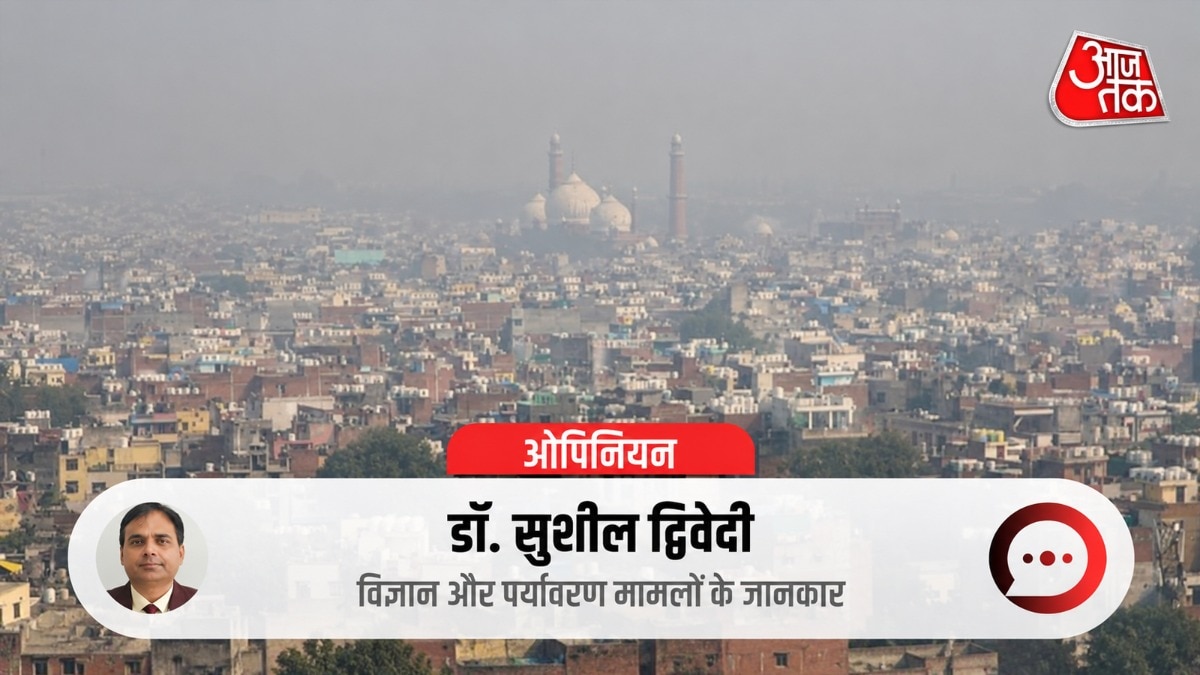
India faces an escalating air quality crisis that demands comprehensive policy intervention, as toxic airborne particles increasingly threaten public health across the nation. Fine particulate matter, particularly PM 2.5, has been linked to a rising burden of heart disease, respiratory illness, and premature mortality among Indian populations.
The scale of the problem has prompted health authorities and environmental scientists to call for a fundamental shift in approach. Current seasonal restrictions, typically imposed during winter months when pollution peaks, have proven insufficient to address the underlying causes of air degradation.
Experts advocate for a multi-pronged strategy centered on sustainable infrastructure and emission controls. Priorities include expanding public transportation systems to reduce vehicular emissions, implementing stricter emission standards across industries, and strengthening air quality monitoring networks across urban and semi-urban areas.
Long-term policy frameworks are essential to tackle pollution sources including vehicle emissions, industrial discharge, construction dust, and agricultural burning, according to environmental specialists. The consensus among researchers suggests that lasting improvements require coordinated action across multiple sectors rather than temporary measures activated only during peak pollution seasons.
The urgency of addressing India's air crisis reflects growing recognition that public health protection depends on sustained environmental management and regulatory enforcement rather than periodic interventions.