World · India Bureau
India's Aircraft Modernisation to Test Domestic Manufacturing Capabilities
India's plans to replace its ageing military transport fleet represent a critical test of the nation's defence manufacturing ambitions. The modernisation initiative will demonstrate how much of the country's aviation needs can be met through domestic production.
LSN India ·
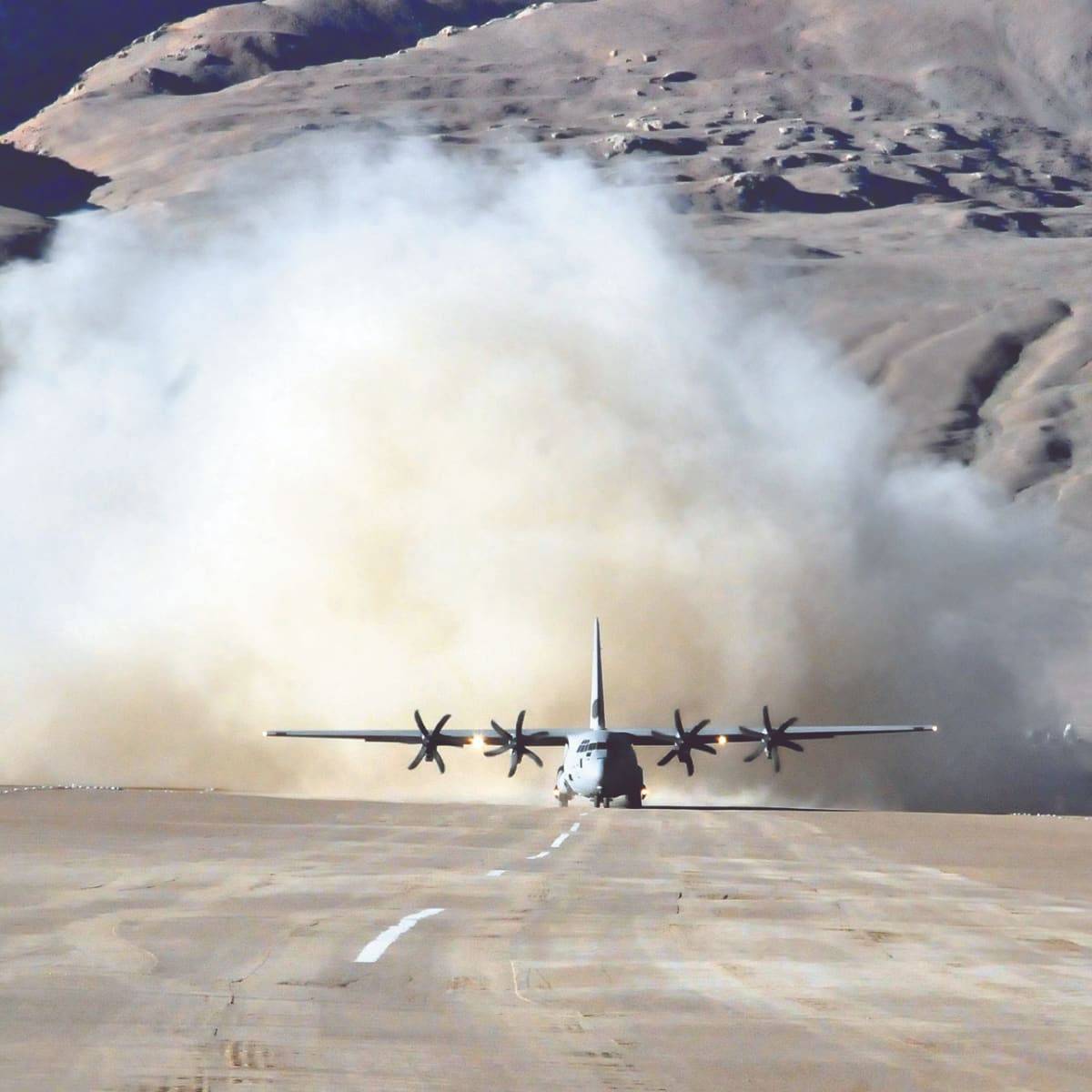
India's defence establishment is preparing to overhaul its aging inventory of transport aircraft, a move that goes beyond simple fleet replacement to become a barometer of the country's indigenous defence manufacturing capacity. The initiative reflects New Delhi's broader push toward self-reliance in critical defence sectors, even as operational pressures mount for enhanced airlift capabilities across military and civilian domains.
The existing transport aircraft fleet has served the Indian armed forces for decades, but ageing airframes and maintenance challenges have increasingly constrained operational readiness. Military planners have identified the need for modern, reliable transport platforms to support logistics, humanitarian missions, and strategic mobility requirements across India's vast geography.
What distinguishes this modernisation effort is the government's emphasis on domestic production and technological development. Rather than relying entirely on foreign suppliers, policymakers are exploring options that leverage India's growing aerospace sector, including established defence manufacturers and private industry players. This approach aims to build long-term institutional knowledge and reduce dependence on external sources for critical military assets.
The scale and complexity of developing or producing transport aircraft domestically will provide real-world insights into India's manufacturing capabilities, supply chain maturity, and ability to meet stringent military specifications. Success could catalyse confidence in other defence procurement initiatives prioritising indigenous production, while challenges may necessitate recalibrating expectations around self-reliance timelines.
Industry observers view the project as emblematic of India's wider defence modernisation strategy, where capability enhancement and manufacturing sovereignty are increasingly seen as complementary rather than competing objectives.