Business · India Bureau
India's ambitious floating solar push faces cost and feasibility hurdles
India's PM-SSY scheme aims to deploy 5 GW of floating solar capacity with integrated storage, requiring Rs 28,500 crore in investment. However, experts warn that high costs and technical challenges could derail the ambitious clean-energy initiative.
LSN India ·
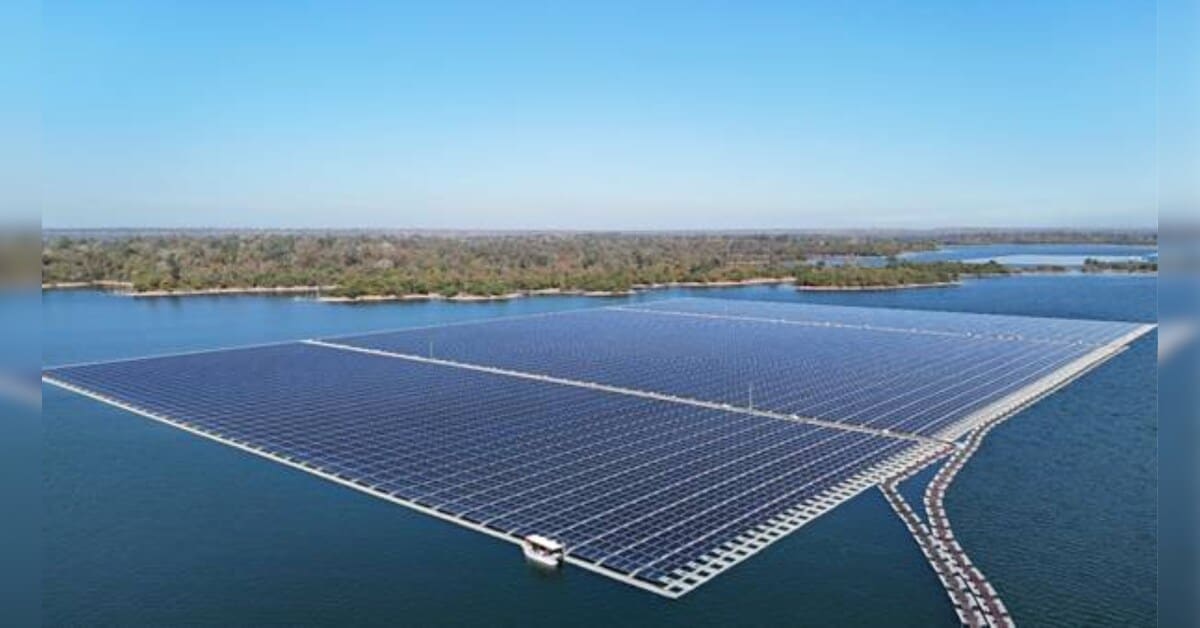
India's Pradhan Mantri Scheme for Sustainable Solarization (PM-SSY) represents a significant bet on floating photovoltaic technology as the country pursues its renewable energy targets. The initiative seeks to harness solar energy from water bodies, combining 5 GW of floating capacity with two-hour battery storage systems to enhance grid stability and maximize power generation efficiency.
The scheme requires substantial capital commitment, with projected investment of Rs 28,500 crore needed to realize the program's goals. Proponents argue that floating solar installations offer land-use advantages by utilizing reservoirs and water bodies rather than competing for terrestrial space, while simultaneously generating electricity and reducing water evaporation.
Yet the viability of the project faces serious questions from energy analysts and industry observers. The high upfront costs associated with offshore installation, specialized equipment, and grid-integrated storage systems pose significant financial barriers. Technical risks—including corrosion in aquatic environments, maintenance complexity, and the engineering demands of anchoring large-scale installations—remain inadequately addressed at current technology maturity levels.
Scalability concerns loom large as India seeks to replicate the model across multiple reservoirs nationwide. The integration of two-hour storage capacity adds further complexity and expense, requiring parallel development of battery technology and grid management infrastructure. Industry experts suggest that cost reduction through technology innovation and competitive bidding will be critical to determining whether floating solar becomes a cornerstone of India's clean-energy strategy or remains a limited-scale experiment.