World · India Bureau
India's CAFE III norms face criticism for slow emission reduction pace
India's third phase of Corporate Average Fuel Efficiency standards has drawn scrutiny from environmental advocates who argue the regulations do not sufficiently accelerate the automotive sector's transition to cleaner technologies. The norms are seen as incremental rather than transformative in addressing transportation emissions.
LSN India ·
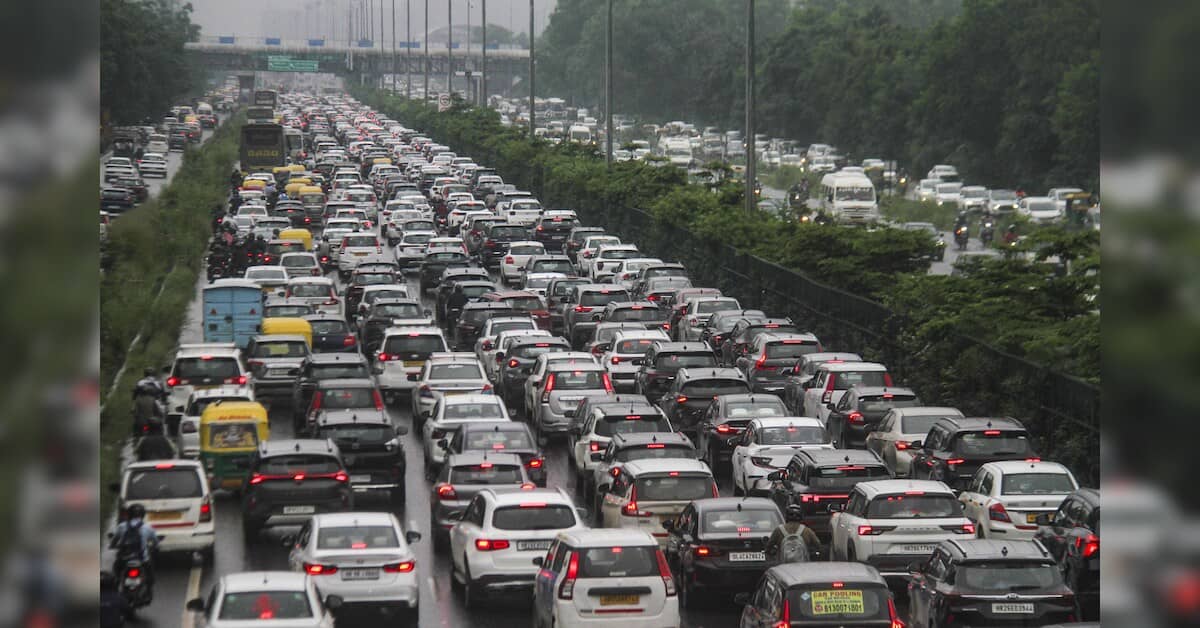
India's CAFE III regulations, which establish fuel efficiency requirements for passenger vehicles, have become a focal point in the debate over the pace of automotive sector decarbonization. While the standards represent a continuation of the existing framework established under earlier phases, critics contend that they fall short of the aggressive action required to meaningfully reduce emissions from one of the world's fastest-growing vehicle markets.
The new norms set efficiency targets that improve incrementally over the compliance period, but environmental experts argue this measured approach underestimates the technological capabilities of manufacturers and the urgency of climate imperatives. With electric vehicle adoption still at nascent levels in India and conventional fuel vehicles dominating new sales, the current regulatory framework is viewed by some observers as insufficiently pushing the sector toward electrification and alternative fuel adoption.
Industry stakeholders, meanwhile, contend that the standards must balance environmental goals with economic realities and manufacturing capacity constraints. The tension between these competing interests reflects broader challenges facing India as it attempts to reconcile rapid vehicular growth with climate commitments and air quality imperatives in major urban centers.
The CAFE III trajectory underscores ongoing policy discussions about whether regulatory measures are keeping pace with the transformation needed in India's transportation sector to meet long-term emissions reduction targets.