World · India Bureau
India's carbon trading scheme struggles with measurement gaps ahead of climate talks
India's Carbon Credit Trading Scheme, designed to accelerate the transition to clean energy, faces significant implementation challenges as key polluting sectors lack established emission targets. The delays highlight structural gaps in the country's framework for measuring and monitoring industrial emissions.
LSN India ·
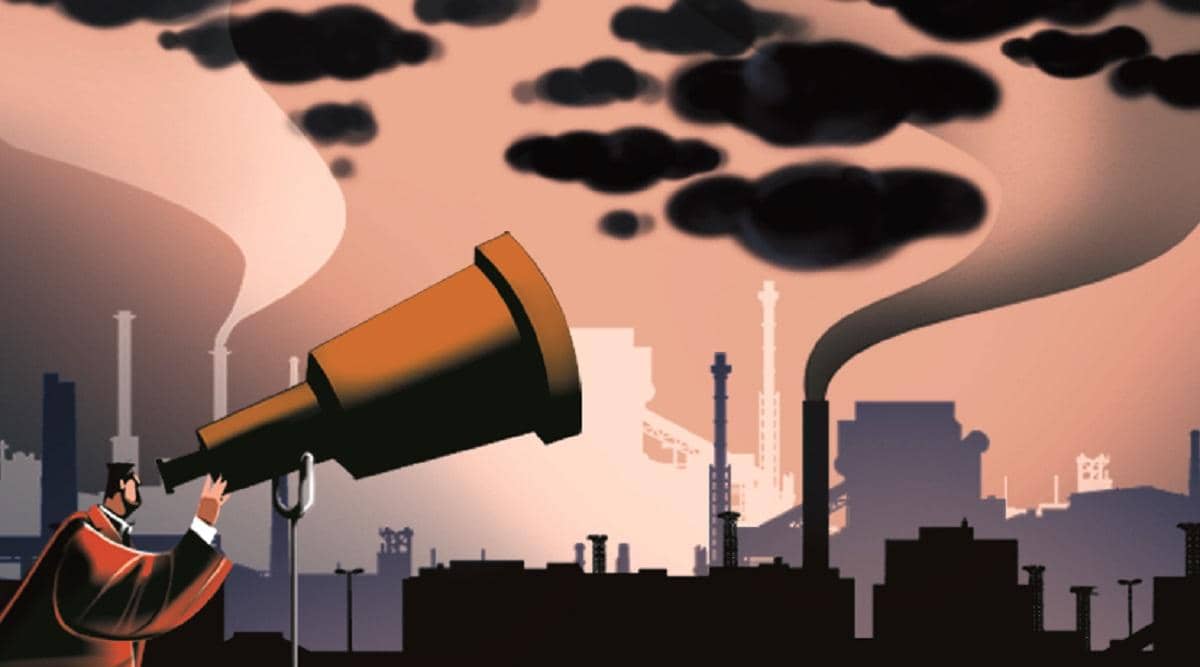
India's Carbon Credit Trading Scheme, launched to incentivize emissions reductions across key industries, is encountering substantial obstacles as it approaches international climate negotiations. The framework, intended to support the country's renewable energy ambitions, cannot effectively measure or regulate several major polluting sectors that have not been assigned emission reduction targets.
The absence of baseline emission standards for certain industries has created a fundamental measurement problem. Without clearly defined targets, regulators lack the methodology to quantify emissions reductions or allocate carbon credits—the core mechanism through which the scheme was supposed to function. This gap undermines the scheme's ability to create financial incentives for pollution control in sectors that contribute significantly to India's overall emissions.
The timing of these delays is significant, as India prepares for international climate discussions where it will outline its emissions reduction strategies. Officials have indicated that the framework requires additional calibration to ensure accuracy and fairness across different industrial sectors.
Experts suggest the delays reflect the complexity of establishing a comprehensive emissions trading system across India's diverse industrial base. Resolving the measurement gaps will require coordination between regulatory agencies, industry bodies, and scientific institutions to establish emissions baselines for currently unregulated sectors. Until these foundational issues are addressed, the scheme's effectiveness in driving meaningful emissions reductions remains constrained.