World · India Bureau
India's CEA mandates energy storage for renewable projects from 2027
Draft regulations will require renewable energy projects to include minimum storage capacity, with requirements escalating over time. The move aims to address grid stability concerns as India expands its renewable energy portfolio.
LSN India ·
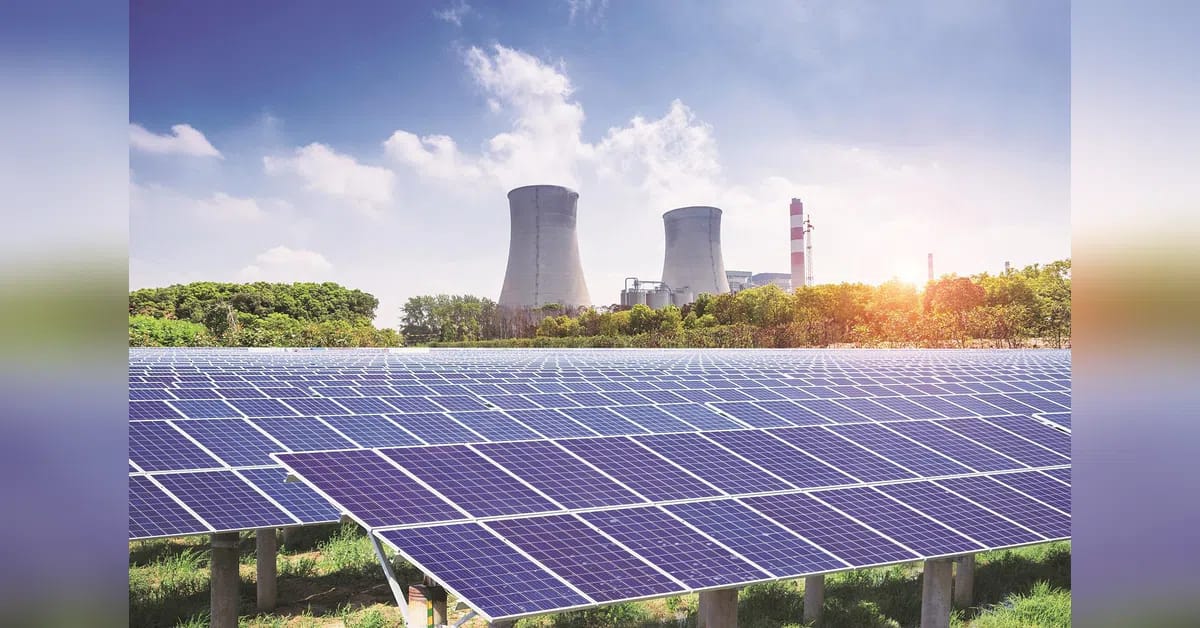
India's Central Electricity Authority has proposed mandatory energy storage requirements for renewable energy projects, signalling a significant shift in how the country develops its clean power infrastructure. Under the draft regulations, all renewable energy projects commissioned after July 2027 must include a minimum of two hours of battery storage capacity, according to the proposal.
The storage mandate will increase in stringency over subsequent years. Projects commissioned after July 2029 will be required to maintain a minimum of four hours of storage capacity, reflecting the government's push toward greater grid stability and reliability as renewable sources comprise an increasingly large share of India's electricity mix.
The proposed regulations address a critical challenge facing India's power system: managing the intermittency of solar and wind generation. Energy storage systems enable renewable projects to provide more consistent power supply throughout the day and across seasonal variations, reducing strain on the grid and minimizing reliance on fossil fuel plants for backup power.
The move aligns with India's ambitious renewable energy targets and reflects growing international best practices in integrating variable renewable sources at scale. Industry stakeholders are expected to provide feedback during the consultation period before final regulations are notified, with implementation set to begin in the latter half of 2027.