World · India Bureau
India's cheetah population surges to 52 as Project Cheetah marks four years
India's ambitious wildlife reintroduction initiative has successfully expanded the nation's cheetah population from zero to 52 in four years, with more than 60 percent bred domestically. The programme has now extended beyond its original habitat to new sanctuaries across the country.
LSN India ·
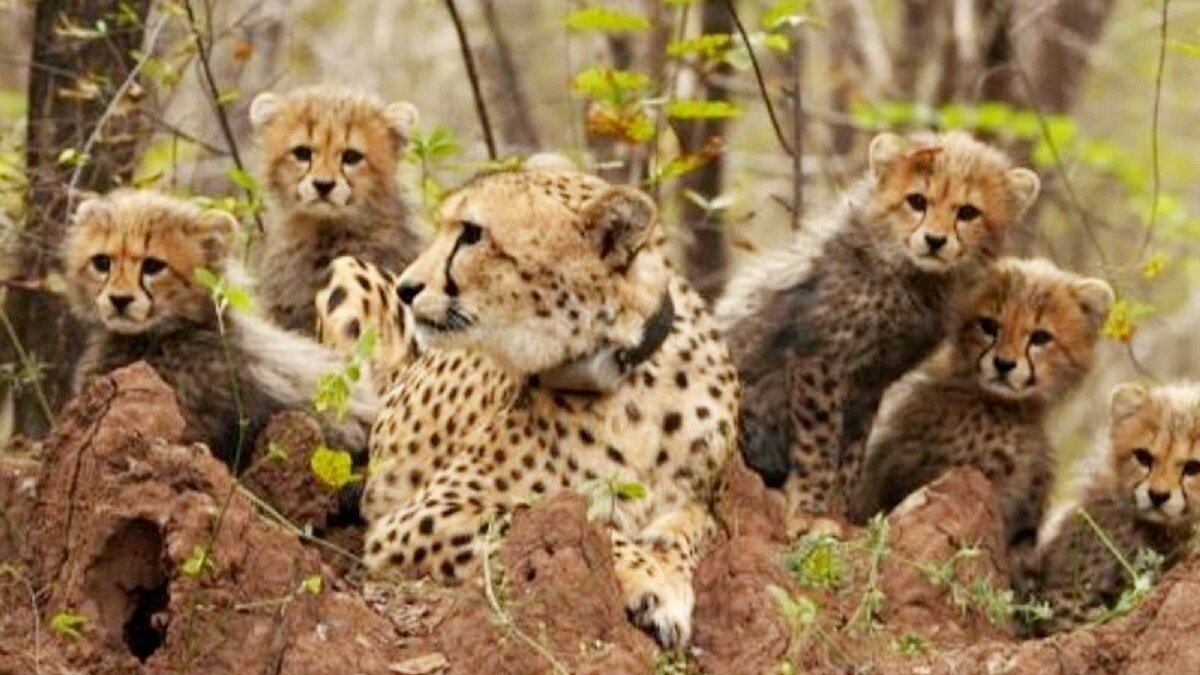
Project Cheetah has achieved significant conservation milestones as it completes its fourth year of operation, with India's cheetah population reaching 52 individuals compared to none at its inception. Of these, 32 cheetahs have been born within Indian territory, demonstrating the success of breeding efforts in the country's protected ecosystems.
The ambitious reintroduction programme commenced on September 17, 2022, when eight cheetahs were translocated from Namibia to India. This initial cohort marked the beginning of efforts to restore a species that had been hunted to extinction in the country decades earlier. The programme represents one of Asia's most significant carnivore reintroduction initiatives.
The project's geographical footprint has expanded considerably since its launch. While Kuno National Park in Madhya Pradesh served as the initial focal point for the initiative, cheetah populations have now extended to Gandhi Sagar Sanctuary, indicating successful habitat adaptation and population distribution across multiple protected areas.
The reintroduction effort reflects India's commitment to wildlife restoration and biodiversity conservation. The substantial proportion of cubs born in Indian facilities suggests that conditions across designated habitats are conducive to sustainable population growth, positioning the programme for long-term success in re-establishing viable cheetah populations in their historical Indian range.