World · India Bureau
India's cheetah restoration programme marks fourth year with 52 big cats
Project Cheetah has successfully increased India's cheetah population to 52 animals four years after the ambitious reintroduction initiative began. The programme now aims to expand suitable habitat and establish a sustainable meta-population across the country.
LSN India ·
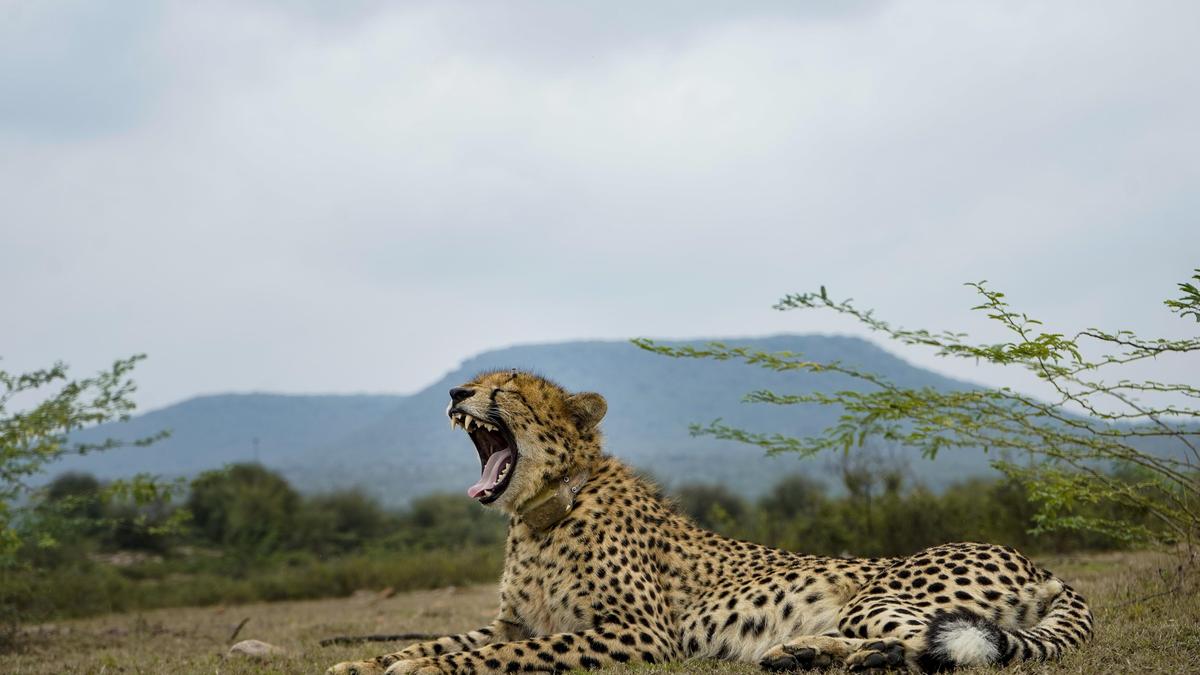
India's flagship cheetah restoration project has reached a significant milestone, with the big cat population growing to 52 individuals as the initiative completes four years of operations. The programme, which began reintroducing cheetahs to Indian wildlife reserves after a 70-year absence, represents one of South Asia's most ambitious carnivore conservation efforts.
Project Cheetah has worked systematically to reestablish populations of the world's fastest land animal in suitable protected areas across the country. The growth in numbers reflects careful breeding, translocation, and monitoring protocols implemented since the project's inception, marking measurable progress in reversing the species' local extinction.
Looking ahead, project authorities have outlined an expanded roadmap for the next phase of restoration work. The strategy focuses on increasing available habitat across multiple reserves and establishing a comprehensive, long-term cheetah meta-population—a genetically diverse network of interconnected groups that can sustain itself over generations.
Conservationists emphasize that expanding suitable habitat remains critical to the programme's long-term success. By creating viable territories and safe corridors between populations, Project Cheetah aims to move beyond initial reintroduction efforts toward building a self-sustaining wild cheetah population that can thrive across India's protected landscape.