World · India Bureau
India's Classical Dance Forms Find New Audience Among Gen Z Dancers
From Bharatanatyam to Kathakali and Bihu, India's regional dance traditions offer Gen Z a connection to cultural heritage while gaining contemporary relevance. Each classical form carries distinct artistic vocabulary, historical narratives, and regional significance worth exploring.
LSN India ·
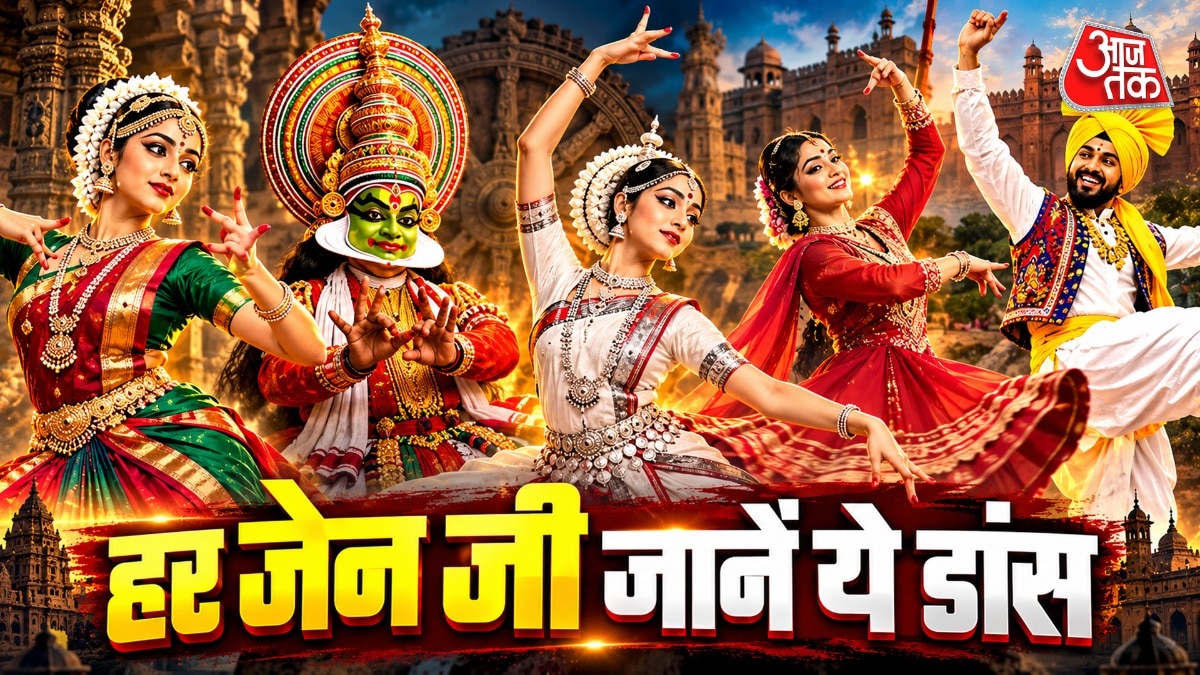
India's classical dance landscape reflects the country's regional diversity, with each state maintaining distinctive performance traditions rooted in centuries of cultural evolution. These art forms—ranging from South India's Bharatanatyam to Kerala's Kathakali and Assam's Bihu—represent more than choreography; they embody philosophical concepts, spiritual narratives, and community identity.
Bharatanatyam, originating in Tamil Nadu temples, remains one of India's most codified classical forms, emphasizing precise hand gestures, facial expressions, and rhythmic footwork. Kathakali from Kerala combines elaborate costumes, stylized makeup, and dramatic storytelling drawn from Hindu epics. Bihu, performed primarily in Assam, celebrates the harvest season with energetic movements and vibrant costumes, reflecting agricultural cycles and social traditions.
Other significant forms include Odissi from Odisha, known for its lyrical movements and tribhanga posture, and Kathak from North India, featuring rapid footwork and pirouettes. Each tradition transmits knowledge through guru-shishya parampara, the teacher-student lineage system that has preserved authentic practice across generations.
Contemporary interest among younger audiences reflects broader recognition of these forms' artistic complexity and cultural significance. Several dance institutions and online platforms now offer accessible training, making classical traditions available beyond geographical and economic barriers. This renewed engagement demonstrates how traditional art forms continue evolving while maintaining their foundational principles and historical integrity.