World · India Bureau
India's climate divide: North turns hotter, drier; South wetter
A seven-decade analysis of India's climate patterns reveals a significant shift, with northern regions becoming increasingly arid while southern areas experience greater precipitation. The trend has pushed drought-prone areas of Maharashtra deeper into water scarcity.
LSN India ·
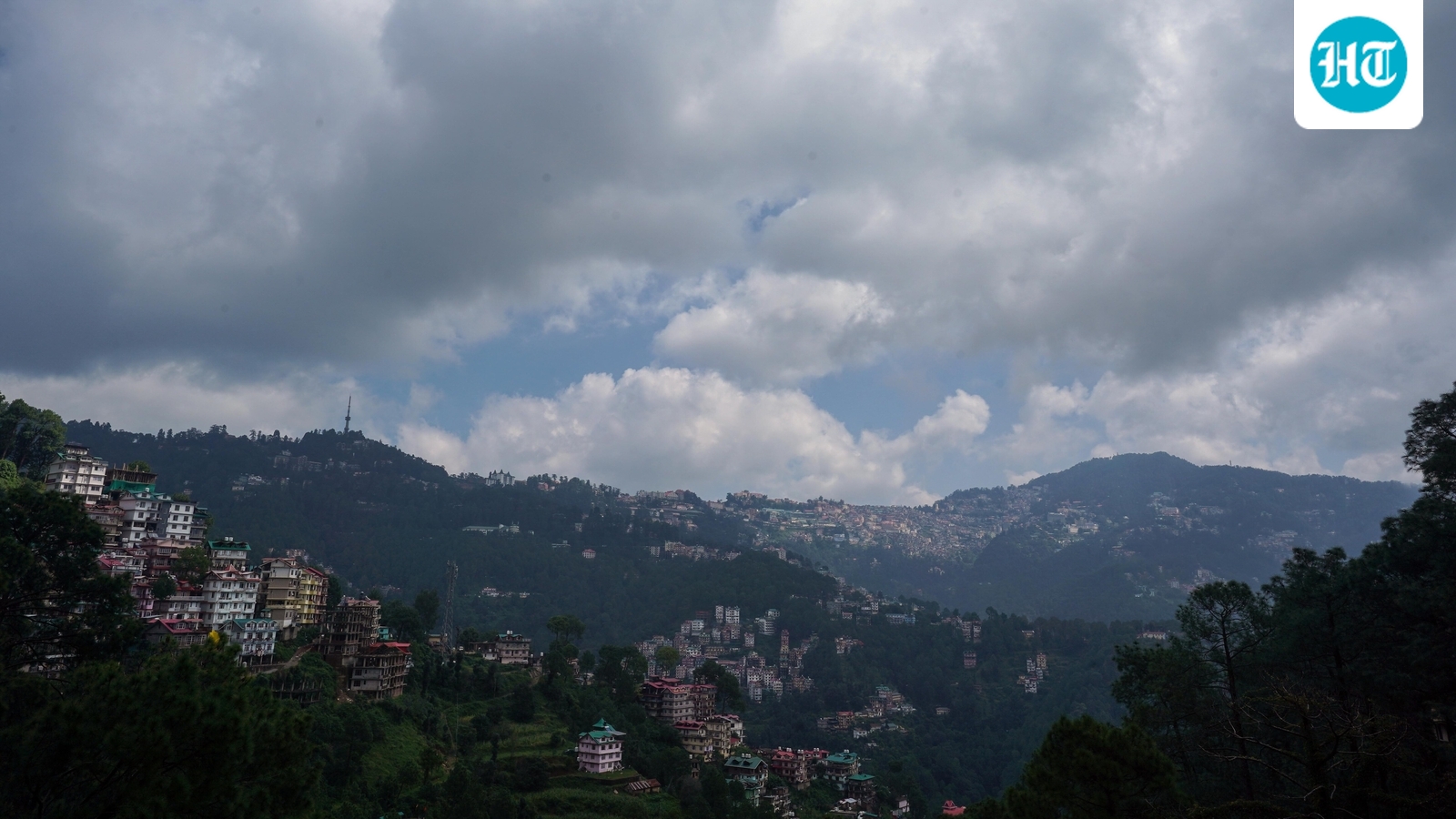
A comprehensive study spanning 70 years has documented a fundamental shift in India's climate zones, with northern regions experiencing rising temperatures and diminishing rainfall while southern areas face intensified wet conditions. The research, conducted by India Meteorological Department scientists, signals a worrying divergence in the country's climate patterns that could have far-reaching implications for agriculture and water resources across the subcontinent.
The findings are particularly concerning for Maharashtra's Marathwada and western Vidarbha regions, areas already grappling with severe drought conditions and a history of agricultural distress. The IMD study shows these regions have now transitioned into distinctly hotter, drier climate classifications, marking a significant environmental shift from their historical patterns. Both areas have experienced recurring drought cycles and associated farmer suicides in recent years, making them especially vulnerable to climate deterioration.
The 70-year trend analysis indicates this is not a temporary weather fluctuation but a sustained directional change in India's climate system. Northern India's movement toward aridity contrasts sharply with precipitation increases in southern regions, suggesting climate patterns are becoming more geographically polarized. Experts point to these findings as evidence that India's various regions face increasingly distinct climate challenges requiring region-specific policy responses.
The research underscores the urgency for targeted climate adaptation strategies across India's diverse geography. Water management, agricultural planning, and disaster preparedness will require fundamentally different approaches for regions experiencing opposing climate trends. Officials note that vulnerable agricultural areas must prioritize drought-resilience measures and alternative water sources as these climate patterns become entrenched.