Politics · India Bureau
India's data centre capacity set to surge five-fold by 2030
India's data centre sector is poised for rapid expansion, with installed capacity expected to jump to 7.5 gigawatts by March 2030 as the country attracts over Rs 3 lakh crore in investments over the next four financial years, according to a Crisil Ratings assessment.
LSN India ·
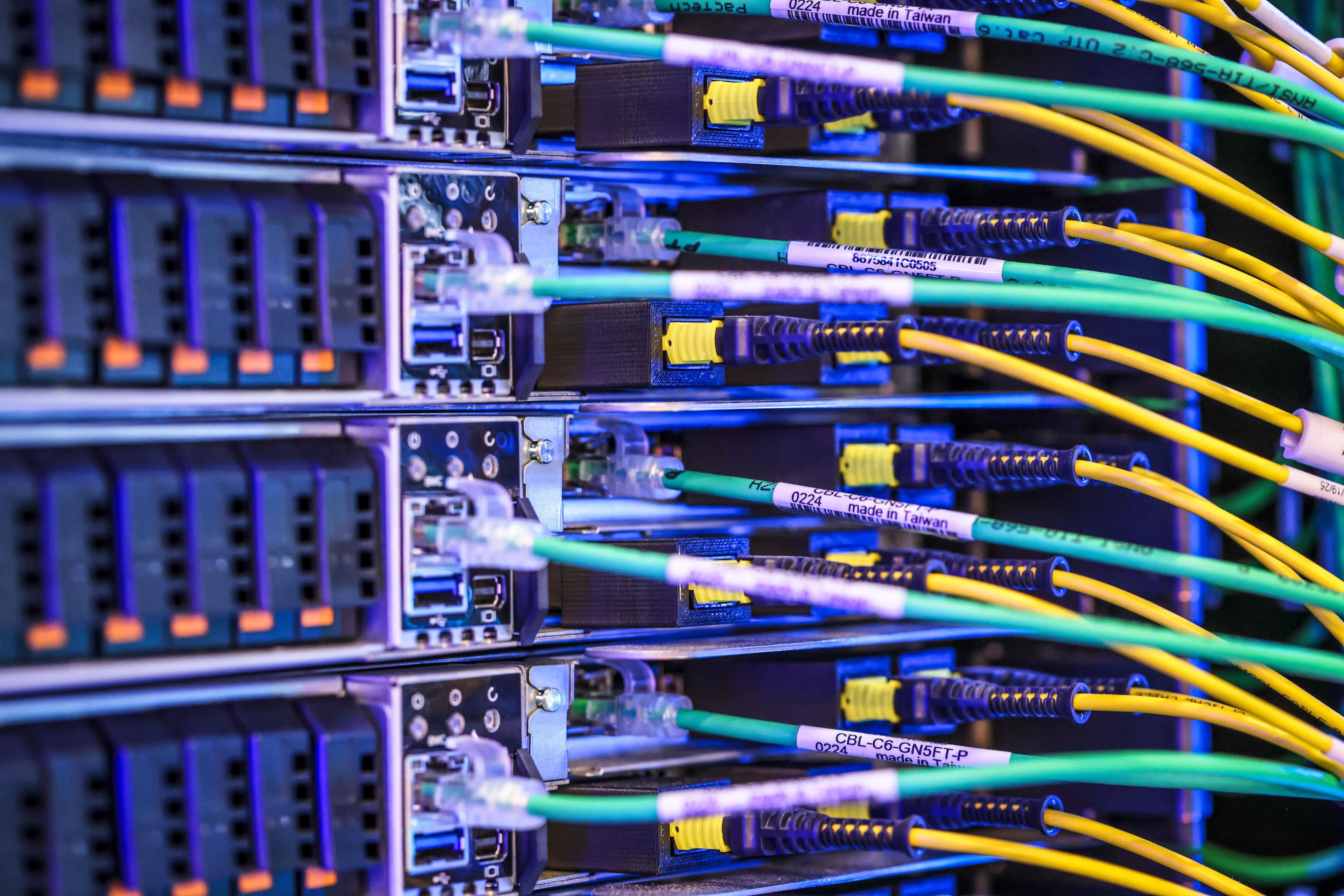
India's data centre industry stands on the cusp of a major transformation, driven by the convergence of generative artificial intelligence adoption, enterprise digitalisation and soaring data consumption patterns across the country. The anticipated five-fold increase in capacity reflects the sector's pivotal role in supporting India's digital economy expansion and positioning the nation as a global technology hub.
The investment surge, exceeding Rs 3 lakh crore across four financial years, demonstrates strong confidence from both domestic and international stakeholders in the sector's growth trajectory. Nearly half of the new capacity already secured under long-term contracts provides a foundation of revenue certainty, with leading cloud providers and hyperscalers committing resources to compute-intensive workloads and GenAI applications.
Despite the optimistic outlook, industry experts note that translating anticipated demand into sustainable profitability hinges on several critical factors. Timely power connectivity, regulatory clearances and disciplined execution of development projects will prove essential in determining whether the sector achieves its growth targets. Power infrastructure, in particular, remains a key dependency given the substantial energy requirements of modern data centre operations.
The structured nature of current capacity commitments, underpinned by upfront agreements with major technology firms, mitigates speculative development risks that have plagued other infrastructure sectors. This approach provides clarity for investors while reducing the speculative nature of new project launches in a rapidly evolving market.