Business · India Bureau
India's Defence Budget Swings with Security Threats, Eases During Calm
India's military spending has historically spiked in response to wars and border tensions since Independence, but tends to contract once immediate security concerns subside. This reactive pattern reflects the country's approach to defence budgeting in an unpredictable strategic environment.
LSN India ·
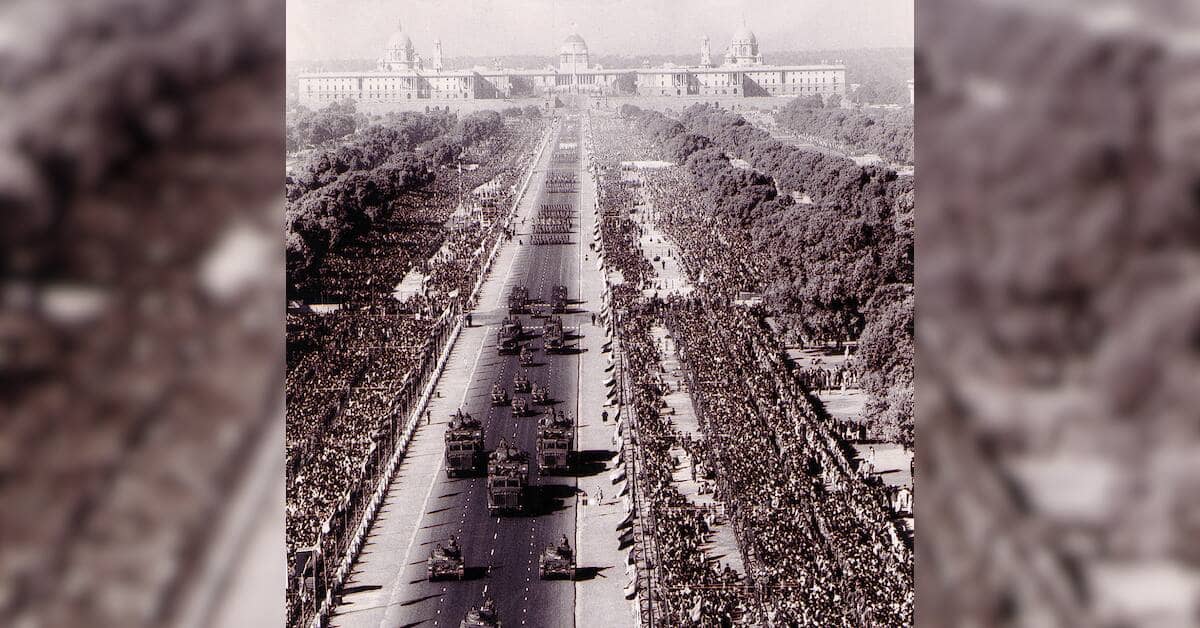
India's defence expenditure has followed a cyclical pattern since gaining independence, expanding sharply during periods of military conflict and geopolitical tension before contracting when security situations stabilise. This boom-and-bust cycle reveals how external threats have shaped the nation's military spending priorities over seven decades.
Major spikes in defence budgets have coincided with India's wars and border standoffs, particularly with neighbouring countries. Each security crisis has prompted significant increases in military allocation, reflecting urgent operational needs and modernisation imperatives. However, once tensions ease or conflicts conclude, budgetary pressure typically eases, leading to reduced defence expenditure.
This reactive approach to defence spending has implications for long-term military planning and capability development. Sustained investment in modernisation, research, and personnel training requires predictable funding levels, yet the fluctuating budget cycle can complicate strategic planning. Defence analysts have noted that India's spending patterns often lag behind threats rather than anticipating them, leading to periods of adequate investment followed by resource constraints.
The challenge for policymakers lies in balancing immediate security responses with the need for consistent, long-term defence capability building. A more stable funding trajectory would enable better planning for infrastructure, technology upgrades, and military readiness across branches of the armed forces.