World · World News Bureau
India's Democracy Under Strain as Judicial Protests Challenge Government
Widespread demonstrations linked to concerns over judicial independence have exposed deep fractures in India's democratic institutions. The protests underscore growing tensions between the executive and judiciary as Prime Minister Modi's government faces mounting criticism over institutional autonomy.
LSN World News ·
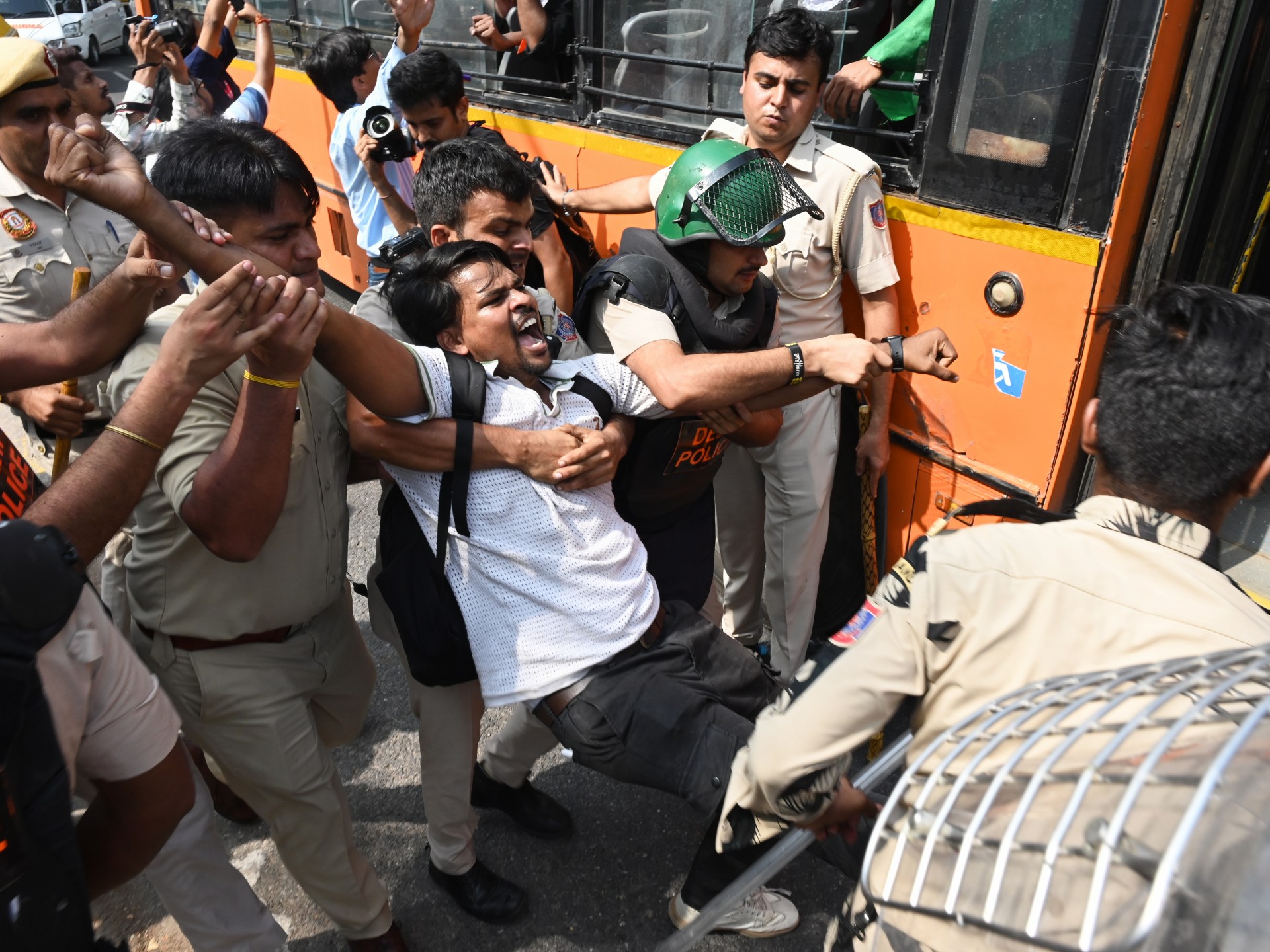
India is confronting a significant political crisis as protests centered on judicial independence sweep across the country, revealing vulnerabilities in the nation's democratic framework. The demonstrations have emerged as a direct challenge to the government's authority and raise questions about the health of India's institutional checks and balances.
The protests reflect broader concerns among legal professionals, civil society groups, and opposition parties about the independence of the judiciary and its ability to function free from political pressure. Observers have characterized the movement as symptomatic of a larger erosion of democratic safeguards that historically served as counterweights to executive power.
Prime Minister Modi's administration faces mounting pressure as the demonstrations gain momentum across multiple states and cities. The scale and persistence of the protests suggest deep public anxiety about the direction of India's political institutions, particularly regarding the separation of powers that undergirds democratic governance.
Analysts warn that the current crisis could have lasting implications for India's democratic standing if institutional tensions are not adequately addressed. The government's response to the protests will likely shape perceptions of its commitment to democratic principles and institutional independence in the months ahead.