World · India Bureau
India's democratic challenge: Balancing dissent with state authority
As public protests intensify across India, experts argue that engaging with street-level dissent strengthens rather than weakens state institutions. The debate highlights tensions between maintaining order and protecting citizens' fundamental right to voice grievances.
LSN India ·
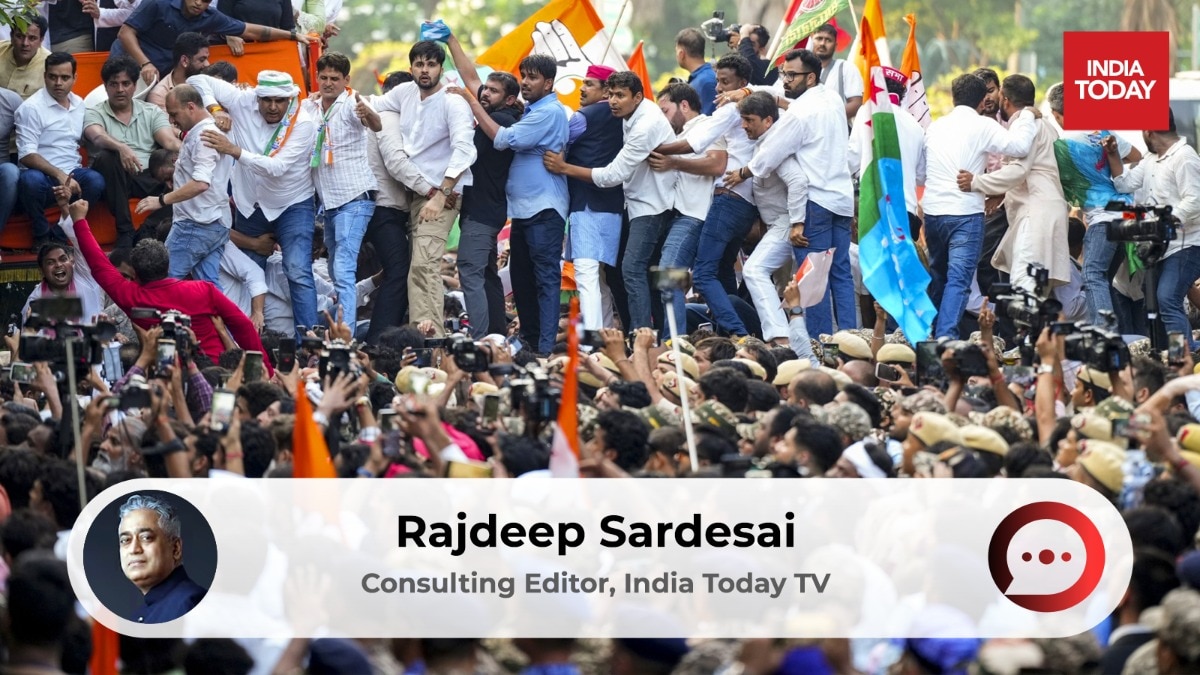
India's vibrant democracy faces a recurring tension between state authorities and citizens exercising their right to protest. Recent demonstrations across urban centers have reignited a fundamental question: whether dissent represents a threat to governance or a vital mechanism for democratic accountability.
Government officials and civil society observers increasingly acknowledge that street-level agitation reflects genuine public concerns that demand substantive engagement rather than dismissal. When citizens mobilize around issues—whether labor rights, environmental protection, or administrative reform—their participation signals areas requiring policy attention. Several analysts contend that viewing such protests as inherently destabilizing reflects a misunderstanding of how democracies function and evolve.
The distinction between legitimate dissent and anti-state activity has become crucial in shaping India's governance approach. Experts emphasize that dialogue between authorities and protestors need not constitute capitulation on either side. Instead, structured engagement can produce compromises addressing public grievances while allowing governments to maintain essential functions. Countries with robust protest cultures have historically used such mechanisms to refine policies and build institutional legitimacy.
Institutional frameworks allowing grievance redressal—from public consultation processes to ombudsman systems—serve as bridges between street-level activism and formal governance. When functional, these mechanisms reduce polarization and convert confrontation into constructive problem-solving. India's democratic institutions increasingly face pressure to demonstrate that engaging with dissent produces tangible results, thereby validating citizens' faith in democratic participation over more disruptive alternatives.