World · India Bureau
India's districts face mounting dual risk of floods and droughts
A study by IIT Roorkee has identified a troubling trend of Indian districts becoming increasingly vulnerable to both extreme flooding and severe drought conditions simultaneously. Researchers warn that multi-hazard climate hotspots are concentrating across northern and eastern regions of the country.
LSN India ·
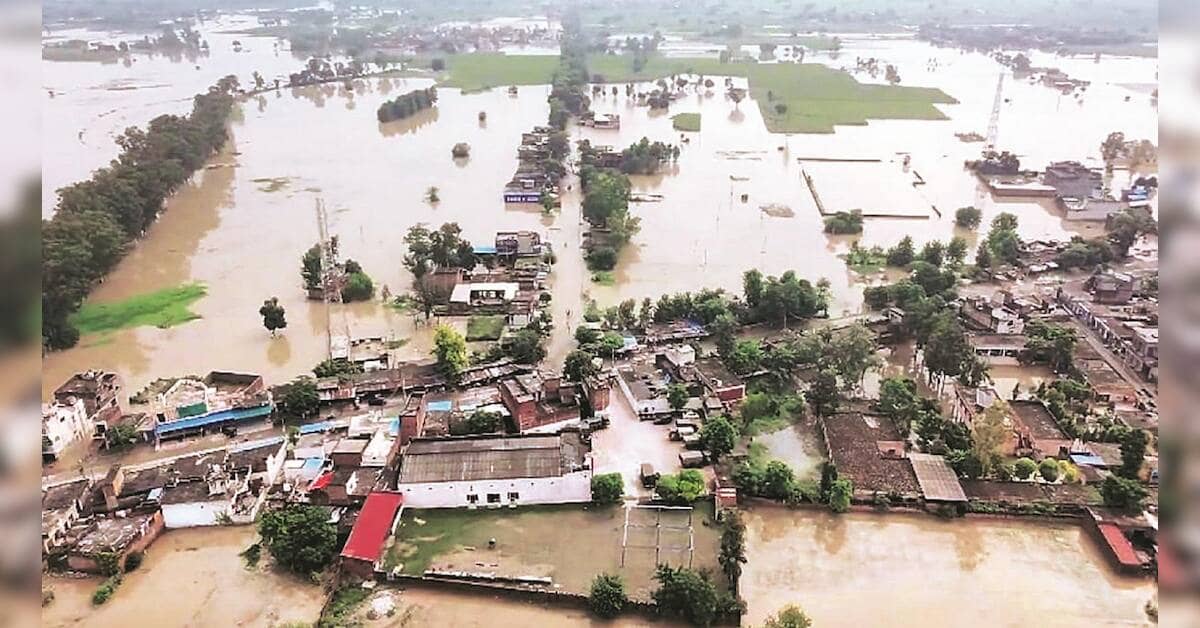
Scientists at the Indian Institute of Technology Roorkee have documented a growing convergence of flood and drought vulnerabilities across India, signalling a dangerous shift in the nation's climate risk landscape. The research reveals that an expanding number of districts now face compounded exposure to both water-related hazards, creating complex adaptation challenges for policymakers and communities.
The study identifies clusters of multi-hazard vulnerability zones spreading across northern and eastern India, regions already grappling with irregular monsoon patterns and extreme weather events. These hotspots represent areas where districts simultaneously experience heightened susceptibility to waterlogging and inundation during wet seasons, while facing acute water scarcity during dry periods.
The concentration of dual vulnerabilities underscores the increasingly complex nature of climate-related disasters facing India. Districts caught in these multi-hazard zones confront compounded infrastructure pressures, from managing flood defences to securing water resources, straining local governance and emergency response capacities.
The findings suggest urgent need for integrated water management strategies that address both excess and scarcity scenarios. Experts emphasise that traditional single-hazard mitigation approaches may prove inadequate for districts facing simultaneous flood and drought risks, requiring coordinated regional planning and climate-adaptive infrastructure development across affected areas.